7010 W Loop 1604 N, Suite 205, San Antonio, Texas 78254



The One Habit That Slowly Damages Dental Implants Without You Realizing
Book Online

You spent thousands of dollars on dental implants. You did the research, sat through the procedure, followed the post-op instructions, and finally got the confident smile you worked so hard for.
So why are some people years later quietly watching their implants fail?
Here’s what most people don’t realize: it’s rarely one dramatic event that destroys a dental implant. It’s one overlooked daily habit. One thing done repeatedly, without thinking, that builds up silently beneath the surface until the damage is already done.
If you have dental implants or are considering them in San Antonio this is worth reading before your next dentist visit.
What Are the Real Implant Damage Causes Nobody Talks About?
Most dental content focuses on what happens in the dentist’s chair. Implant failure, though, almost always starts at home with something patients do every day without connecting it to their implant health.
The #1 Habit: Grinding Your Teeth (Bruxism)
Bruxism unconscious teeth grinding or clenching is the single most underestimated implant damage cause among patients who don’t know they have it.
Many people grind at night, during sleep, and wake up with no memory of it. Others clench during stressful moments at work, while driving, or watching the news. Either way, the pressure being applied to implants is far beyond what normal chewing produces.
Natural teeth have a tiny amount of give. Implants, fused directly to bone, have almost none. That means every grinding episode delivers direct, unabsorbed force straight to the implant post and surrounding bone.
Over time, this causes:
- Micro-fractures in the implant crown
- Loosening of the abutment screw
- Bone loss around the implant site
- Implant movement or early failure
Did You Know?
Studies suggest that up to 31% of adults grind their teeth and the majority are completely unaware of it. Bruxism is one of the leading implant damage causes identified by implant specialists, yet it often goes undiagnosed for years.
Why This Habit Is More Damaging for Implants Than Real Teeth
Natural teeth are held by a periodontal ligament a thin, flexible cushion of connective tissue that acts like a shock absorber. When force is applied, the ligament compresses slightly and distributes pressure across the jawbone.
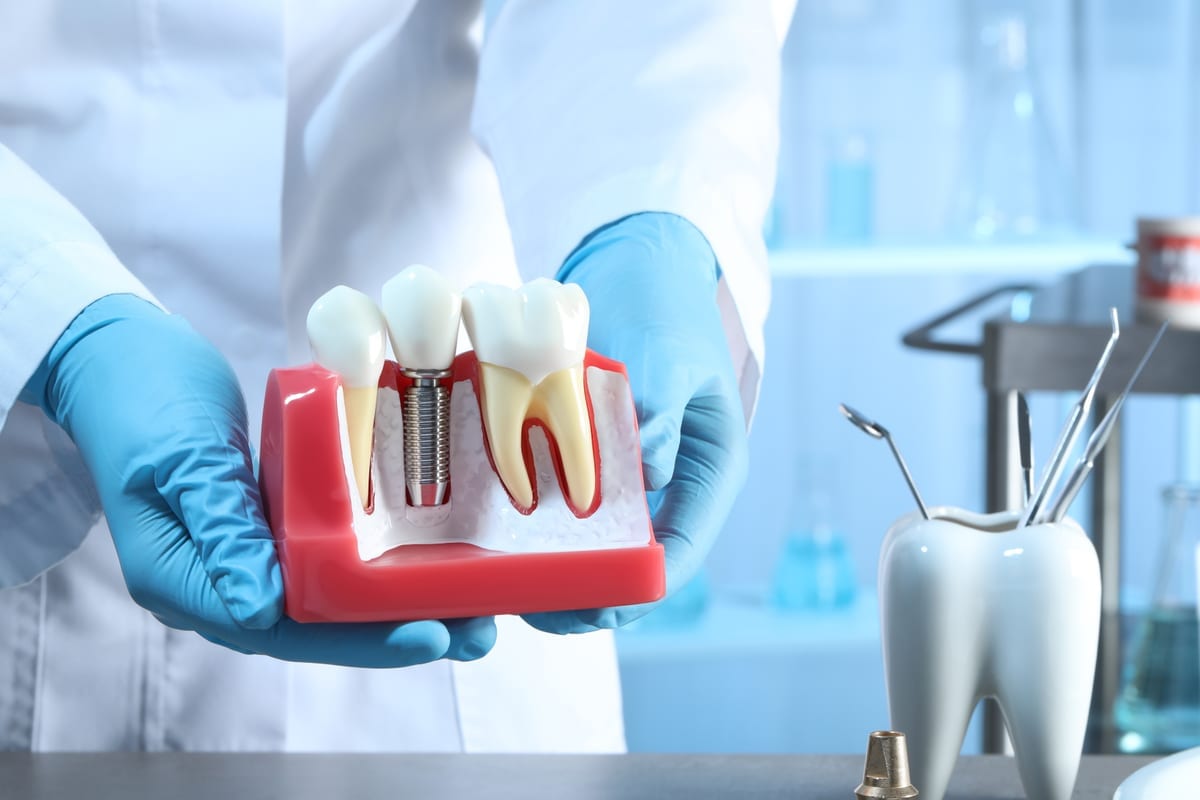
Dental implants have no ligament. They are anchored directly into the bone through a process called osseointegration. This makes them incredibly strong for normal chewing but also vulnerable to sustained, repetitive forces that exceed what bone can absorb long-term.
The concern isn’t one hard bite. It’s the cumulative effect of pressure applied night after night, month after month.
Considering Dental Implants in the First Place?
If you’re still evaluating whether implants are the right solution for a missing tooth, it’s worth understanding the long-term benefits, candidacy requirements, and what the process actually involves. Read our guide: “Thinking About Dental Implants in San Antonio? Read This Before You Decide” for a complete overview before making your decision.
The Risks: What Happens If Bruxism Goes Untreated with Implants
1. Implant Crown Damage
The crown the tooth-shaped cap on your implant can crack, chip, or wear down under sustained grinding pressure. Replacing a crown is costly and requires time out of your schedule.
2. Abutment Screw Loosening
The screw connecting the crown to the implant post can loosen under repetitive stress. A loose abutment doesn’t just feel uncomfortable it can allow bacteria to enter and threaten the bone beneath.
3. Peri-implantitis
When bone loss begins around an implant (often accelerated by grinding), it creates pockets where bacteria can thrive. This condition called peri-implantitis is similar to gum disease and can lead to implant failure if untreated.
4. Implant Failure
In serious cases, the implant itself can fail meaning the titanium post loses its bond with the jawbone and requires removal. Implant failure is rare when properly managed, but bruxism significantly raises the risk.
Bruxism vs. Normal Bite Force: How the Numbers Compare
| Bite Force Type | Average PSI (Pounds per Sq. Inch) | Implant Risk Level |
| Normal chewing | ~150–250 PSI | Low |
| Hard food (nuts, ice) | ~300–400 PSI | Moderate |
| Bruxism (nighttime grinding) | ~600–1,000+ PSI | High |
| Severe bruxism episodes | Up to 1,200+ PSI | Very High |
As the table shows, bruxism can apply forces several times greater than normal eating and it does so repeatedly, without you knowing.
Other Habits That Quietly Contribute to Implant Damage
While bruxism is the biggest hidden threat, it doesn’t act alone. These common habits also accelerate implant damage causes:
- Chewing ice or hard candy – applies sudden, high-impact force to crowns
- Smoking – impairs blood flow and slows bone integration, increasing implant risk
- Poor oral hygiene around the implant site – allows bacteria to form at the gumline, triggering peri-implantitis
- Using teeth as tools – opening packages, biting nails, or chewing pens puts lateral force on the implant
- Missing follow-up appointments – early warning signs of bone loss or screw loosening go undetected
Missing a Tooth and Still Waiting to Replace It?
Many patients don’t realize that delaying treatment after tooth loss can lead to bone deterioration, shifting teeth, bite problems, and more complex restorative needs later on. If you’re still deciding whether to replace a missing tooth, our article “What Happens If You Don’t Replace a Missing Tooth? Hidden Risks San Antonio Patients Shouldn’t Ignore” explains the consequences and why acting sooner often leads to better outcomes.
What Patients Near San Antonio Are Saying
★★★★★ Laurie Grommes — San Antonio
Love this dental office and all of their staff!! Dr. Mo and Dr. Z are very professional and provide excellent care. The front office staff and all of the assistants are amazing as well!! I won’t go anywhere else!! My husband is going there now too and he said he’ll never go anywhere else either. Great people and beautiful office!!
Patients throughout San Antonio consistently mention the same things in their reviews: compassionate care, clear communication, and a team that genuinely takes time to make people feel comfortable throughout treatment. Whether you’re coming in for dental implants, restorative dentistry, or routine care, our goal is to provide the kind of experience that keeps families returning year after year.
Read more Google Reviews and see why so many San Antonio patients trust Z Dentist San Antonio with their smiles.
How to Protect Your Dental Implants – The Professional Approach
Step 1: Get Screened for Bruxism
If you suspect you grind your teeth, an implant specialist can evaluate your bite pattern, tooth wear, and jaw tension. Catching bruxism early is the single most effective way to prevent implant damage before it progresses.
Step 2: Custom Night Guard
A professionally fitted night guard is one of the most effective tools in implant protection. Unlike over-the-counter options, custom guards are designed around your exact bite to distribute force and protect both natural teeth and implants.
Step 3: Regular Implant Check-Ups
Implants need periodic X-rays and clinical evaluations to assess bone density and check the integrity of the abutment and crown. Annual or bi-annual check-ins allow your dentist to catch problems at their earliest, most treatable stage.
Step 4: Stress Management
Because bruxism is often driven by anxiety and chronic stress, addressing stress through healthy lifestyle changes can meaningfully reduce grinding frequency.
Meet Your Dentist at Z-Dentist
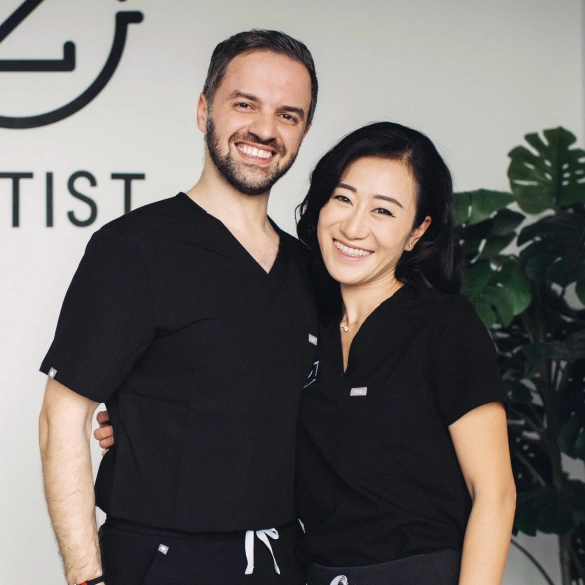
At Z Dentist, our team takes a thorough, patient-first approach to implant care. We don’t just place implants, we manage them long-term. From bruxism screening to customized night guards and restorative solutions, we work with each patient to protect their investment and their smile. If you’re experiencing any discomfort around your implant or haven’t had a check-up recently, we encourage you to come in before small issues become bigger ones.
Schedule a comprehensive implant evaluation with Z Dentist San Antonio today. Early detection saves your implant and your investment.
Dental Implant Care in San Antonio: Why Where You Go Matters
Not every dental practice actively monitors implants for the long-term. Patients from San Antonio, Stone Oak, Alamo Ranch, and surrounding neighborhoods trust Z Dentist for implant care that goes beyond placement focusing on ongoing health, structural integrity, and protective solutions like night guards.
If your implants were placed elsewhere and you haven’t had a thorough evaluation in the past year, it may be time to get a second set of experienced eyes on them.
Patients consistently note on Google reviews that what sets the practice apart is the time taken to actually explain what’s happening and that’s exactly what you deserve when it comes to your dental health.
Concerned about your dental implants or overdue for a check-up? Call Z Dentist today to schedule an implant evaluation. Our team is here to answer your questions, assess your implant health, and help you protect your investment for years to come.
Frequently Asked Questions About Dental Implant Damage
Can bruxism really cause dental implants to fail?
Yes. Bruxism is one of the most recognized implant damage causes because it applies far more force than normal chewing sometimes 600 to 1,000+ PSI. Over time, this repetitive stress can loosen the abutment, damage the crown, cause bone loss around the implant, and in severe cases, lead to implant failure. A night guard and regular monitoring can dramatically reduce this risk.
How do I know if I’m grinding my teeth at night?
Common signs include waking up with jaw soreness or headaches, noticing your teeth feel sensitive or flattened, or being told by a partner that you grind. Your dentist can also identify telltale wear patterns on your teeth or implant crown during an exam.
What are the early warning signs that a dental implant is being damaged?
Watch for: discomfort or pressure around the implant site, a crown that feels slightly loose or shifted, swelling or redness at the gumline near the implant, or any clicking sensation when biting. These signs warrant a prompt visit to your dentist.
Can a loose dental implant be fixed, or does it have to be replaced?
It depends on the cause. If the abutment screw is loose caught early it can often be tightened without replacing the entire implant. If bone loss is involved, more extensive treatment may be needed. This is why regular check-ups are essential.
How long do dental implants last if I grind my teeth?
Properly managed, dental implants can last 15–25 years or longer. However, unaddressed bruxism significantly shortens that timeline. Patients who grind and use a custom night guard consistently report far better long-term implant outcomes than those who don’t.
Does smoking affect dental implants the same way grinding does?
Both are serious implant damage causes, but they work differently. Grinding causes mechanical stress. Smoking restricts blood flow to gum tissue and bone, impairing the body’s ability to maintain the osseointegration bond. Together, they substantially increase implant failure risk.
How often should I get my dental implants checked in San Antonio?
Most implant specialists recommend a clinical check-up every six to twelve months, including periodic X-rays to assess bone density around the implant. If you grind your teeth or have had any implant-related symptoms, more frequent visits are advisable.
Protect What You’ve Invested In
Dental implants can last a lifetime but only if the right habits and monitoring are in place. If bruxism or any of the other factors mentioned here sound familiar, the best next step is a simple conversation with your dentist.
At Z Dentist San Antonio, we see patients from across the city, Stone Oak, Alamo Ranch, Medical Center, and beyond who want to protect their implants for the long haul. We’ll take the time to evaluate your implant health, screen for grinding, and create a personalized protection plan. Don’t let a preventable habit quietly undo what you’ve invested in your smile.