7010 W Loop 1604 N, Suite 205, San Antonio, Texas 78254



Dental Implants vs. Dentures in San Antonio, TX
Book Online

If you are missing one or more teeth, you have real choices. Many San Antonio patients ask us about dental implants vs. dentures and which option actually lasts longer. It is one of the most important decisions you can make for your oral health. At Z Dentist San Antonio, Dr. Pingting Zhou helps patients compare these options honestly — so you can choose what fits your life.
Understanding Dental Implants vs. Dentures in San Antonio
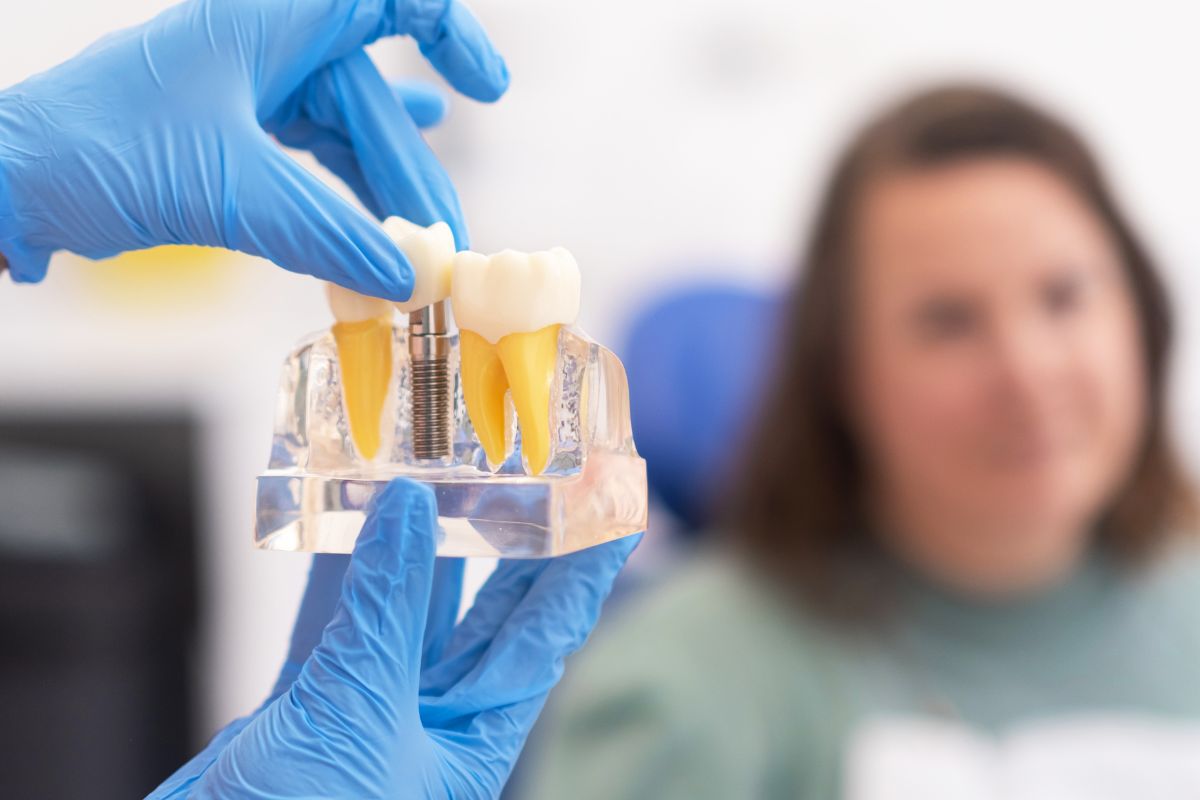
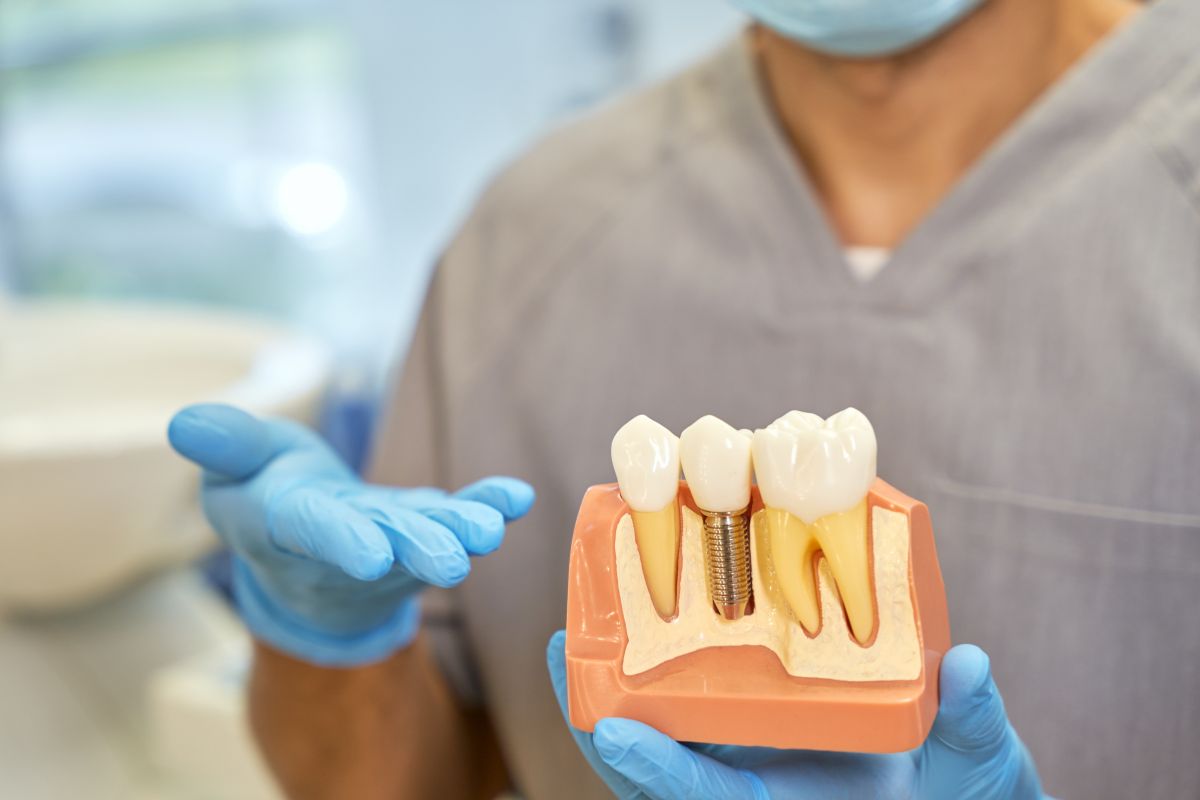
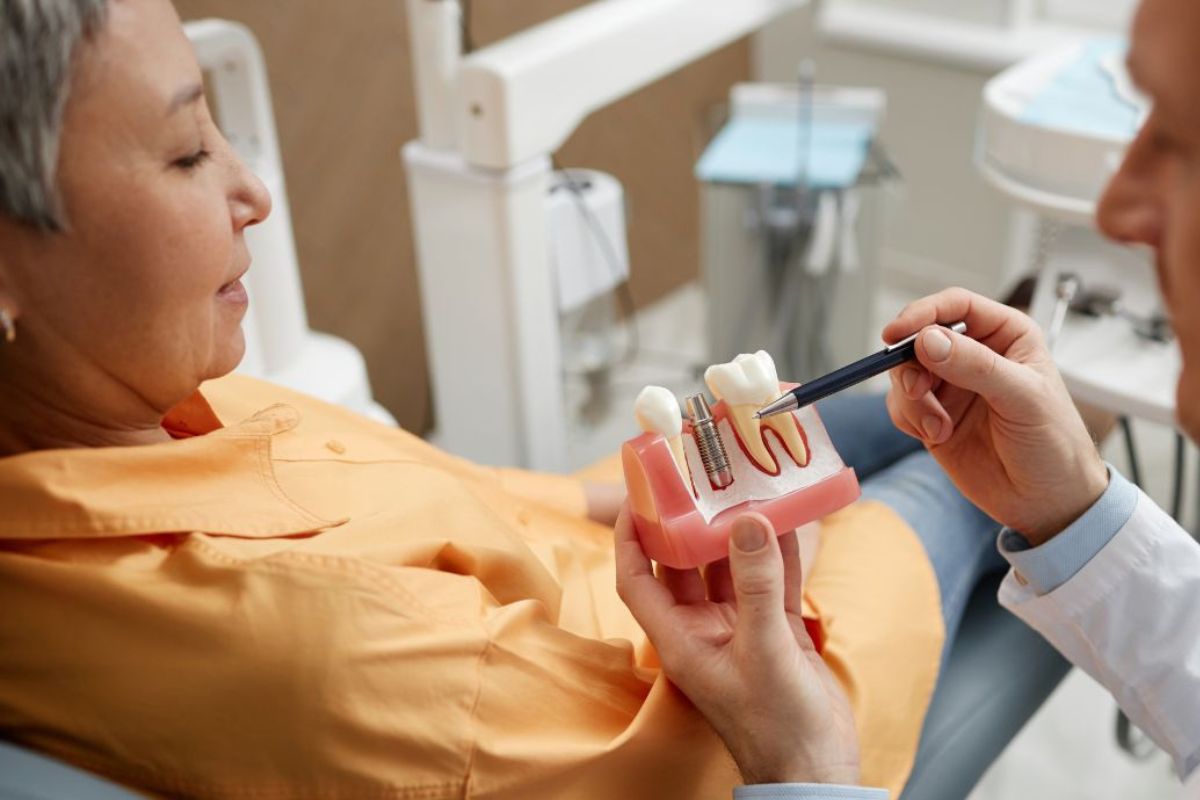
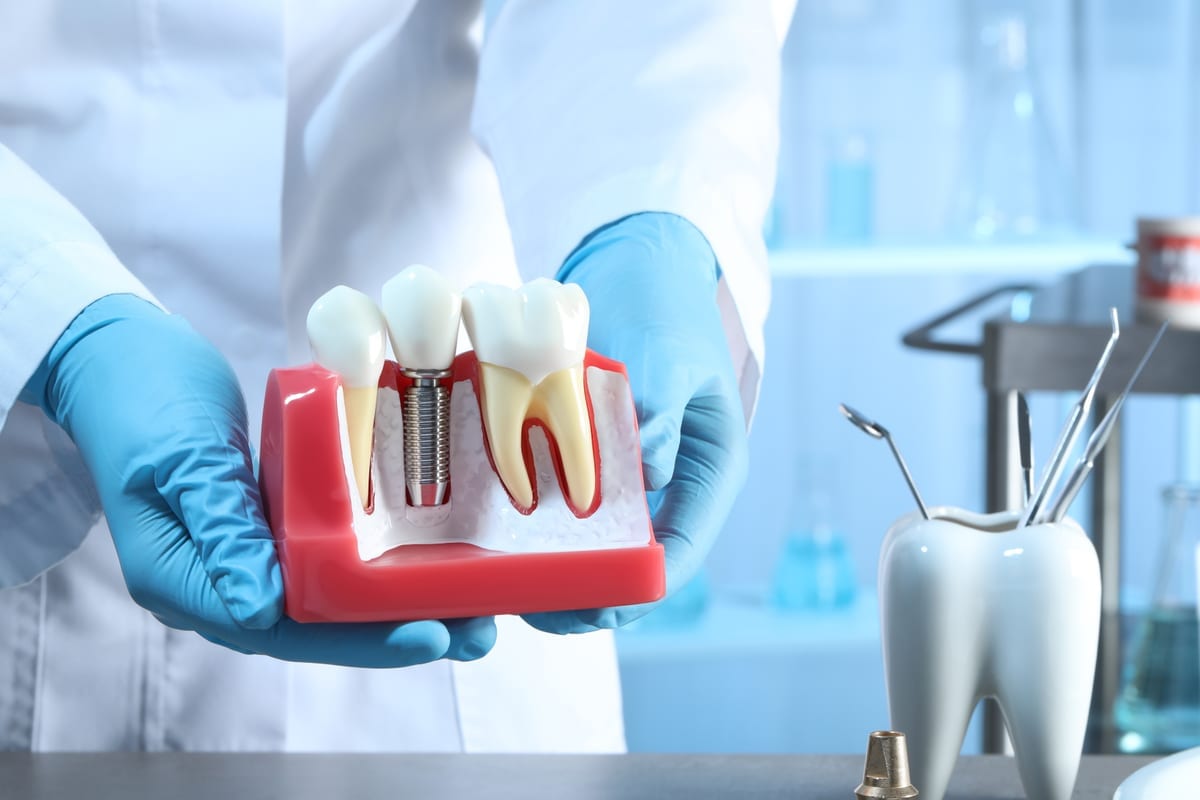
Dental implants are titanium posts surgically placed into the jawbone. They act as artificial tooth roots and support a permanent crown on top. Dentures, on the other hand, are removable appliances that rest on the gums. Both solutions replace missing teeth — but they work very differently.
Implants fuse with your jawbone over time through a process called osseointegration. This makes them stable and long-lasting. Dentures sit on the surface of the gum and may shift during eating or speaking. Understanding this difference helps you weigh which solution matches your daily needs.
Bridges are a third option worth mentioning. A dental bridge uses neighboring teeth as anchors to hold a false tooth in place. Bridges do not require surgery, but they do require grinding down healthy adjacent teeth. That trade-off is important to consider before committing.
How Long Do Dental Implants Actually Last?
With proper care, dental implants can last 20 to 30 years — or even a lifetime. The implant post itself rarely needs replacement. The crown on top may need replacing after 10 to 15 years due to wear. That makes implants one of the most durable restorations in modern dentistry.
Several factors affect implant longevity. Good oral hygiene is essential. Regular Dental Cleanings And Exams help protect the gum tissue around the implant. Avoiding smoking also significantly improves long-term success rates.
Here is a quick look at what makes implants last so long:
- Titanium post bonds permanently with the jawbone
- No slipping or movement during daily activities
- Stimulates bone to prevent jaw deterioration
- Easy to clean just like natural teeth
- Does not rely on adjacent teeth for support
These qualities give implants a significant edge in durability. However, they do require a surgical procedure and a healing period. Patients with certain health conditions may not be immediate candidates.
How Long Do Dentures Last — And What Are the Trade-Offs?
Traditional dentures typically last 5 to 10 years before needing replacement or relining. The fit changes over time because bone loss occurs without a tooth root to stimulate the jaw. That is why many denture wearers need adjustments every few years. Without those adjustments, dentures can become uncomfortable or ill-fitting.
Partial dentures replace a few missing teeth and attach to remaining natural teeth with clasps. Full dentures replace an entire arch. Both types are removable, which some patients find convenient. Others find them frustrating during meals or social situations.
Common challenges denture wearers report include:
- Slipping or clicking while eating or speaking
- Sore spots from pressure on the gums
- Need for adhesive products to improve fit
- Jawbone shrinkage over time that changes facial structure
- Dietary restrictions to avoid hard or sticky foods
Dentures are often chosen because they are less invasive and more affordable upfront. They can be made quickly and do not require surgery. For patients who are not candidates for implants, dentures remain a reliable and widely used solution.
Which Option Is Right for San Antonio Patients?
Choosing between implants and dentures depends on several personal factors. Your bone density, overall health, budget, and lifestyle all matter. Dr. Zhou takes time to evaluate each patient individually before making any recommendation. There is no one-size-fits-all answer in restorative dentistry.
Implants are generally recommended when you have sufficient jawbone density and good overall health. They are ideal for patients who want a permanent, low-maintenance solution. They look and feel closest to natural teeth. Patients who choose implants often report higher long-term satisfaction.
Dentures may be the better starting point if you need a faster solution or if bone loss has already occurred. Some patients use dentures while considering implants later. Implant-supported dentures offer a hybrid option that combines stability with a removable design. Dr. Zhou can walk you through all of these paths in detail.
If you are navigating provider networks or benefit plans, you may want to explore whether your plan includes a United Health Care Dentist in network. Understanding your plan can help you plan ahead financially for whatever treatment path you choose.
What to Expect at Z Dentist San Antonio
Dr. Pingting Zhou and the team at Z Dentist San Antonio serve patients across San Antonio with personalized, compassionate care. The process begins with a thorough exam and digital X-rays. We assess your bone structure, gum health, and overall oral condition. This gives us a clear picture of which restoration will work best for you.
If implants are appropriate, we walk you through each stage of the process. From the placement of the titanium post to attaching the final crown, we explain every step. We also discuss healing timelines, what to eat, and how to care for your new restoration. Our goal is to keep you informed and comfortable throughout.
If dentures are the better path, we custom-fit them to your unique anatomy. We do not hand you a generic appliance. Proper fit is essential for comfort and function. We schedule follow-up visits to make adjustments as needed so you always feel confident in your smile.
Frequently Asked Questions
Are dental implants painful to get?
Most patients are surprised by how manageable the discomfort is. The procedure uses local anesthesia, so you should not feel pain during placement. Mild soreness afterward is common and typically resolves within a few days. Over-the-counter pain relief is usually sufficient for recovery.
Can anyone get dental implants?
Most healthy adults are good candidates for implants. However, sufficient jawbone density is required to support the titanium post. Conditions like uncontrolled diabetes or active gum disease may need to be addressed first. Dr. Zhou will evaluate your full health history before recommending implants.
How do I care for dental implants long-term?
Implants are cared for just like natural teeth. Brush twice daily, floss regularly, and attend routine dental cleanings. Avoiding tobacco and excessive grinding helps extend implant life. Annual X-rays allow us to monitor the implant and surrounding bone.
Do dentures feel natural in daily use?
Modern dentures fit much better than older versions. However, they will never feel exactly like natural teeth. Most patients adapt over time and find them comfortable for daily activities. Implant-supported dentures offer a more stable alternative if fit remains a concern.
How long does the dental implant process take from start to finish?
The full process typically takes three to six months. This includes the initial placement, the healing period called osseointegration, and crown attachment. Some patients qualify for same-day or immediate-load implants. Dr. Zhou will give you an accurate timeline based on your specific situation.
At Z Dentist San Antonio, we believe every San Antonio patient deserves a smile they feel proud of. Whether implants, dentures, or another solution fits your situation, Dr. Zhou is here to guide you with honesty and expertise. Book Now to schedule your appointment with our team.