7010 W Loop 1604 N, Suite 205, San Antonio, Texas 78254



What Happens If You Don’t Replace a Missing Tooth? Hidden Risks San Antonio Patients Shouldn’t Ignore
Book Online


Losing a tooth might not feel urgent especially if it’s not visible when you smile. But here’s the truth most people don’t hear soon enough: what starts as a small gap can quietly turn into bigger oral health problems. That’s why timely tooth replacement is so important. It’s not just about restoring your smile, but protecting your long-term oral health. If you’ve been putting off treatment in San Antonio, you’re not alone but waiting comes with consequences that go beyond appearance.
Let’s break down the real missing tooth consequences, what’s happening beneath the surface, and what you can do before things get worse.
The Real Problem Behind a Missing Tooth
A missing tooth is not just a cosmetic issue—it disrupts the entire balance of your mouth.
Each tooth plays a role in:
- Supporting your bite
- Maintaining jawbone strength
- Keeping surrounding teeth aligned
When one is gone, your mouth begins to adapt—and not in a good way.
Why It Matters More Than You Think
You may still be able to chew, talk, and smile—but your body is already compensating. Over time, that compensation creates stress on other teeth and tissues.
Here’s what many patients in San Antonio experience:
- Uneven chewing pressure
- Jaw discomfort or fatigue
- Increased wear on remaining teeth
The longer the gap stays, the more complex the problem becomes.
Hidden Risks of Not Replacing a Missing Tooth
1. Bone Loss After Tooth Loss
One of the most serious effects is bone loss after tooth loss.
Your jawbone needs stimulation from tooth roots. Without it:
- Bone tissue begins to shrink
- Facial structure can change over time
- Future tooth replacement becomes more difficult
In some cases, patients later require bone grafting just to restore what was lost.
2. Shifting Teeth & Bite Problems
Teeth naturally move toward empty spaces.
This can lead to:
- Crooked alignment
- Bite imbalance
- Increased risk of cracks or fractures
Even one missing tooth can start a chain reaction.
3. Higher Risk of Gum Disease
Gaps can trap food and bacteria more easily.
Over time, this may cause:
- Gum inflammation
- Infection
- Damage to nearby healthy teeth
Ignoring a missing tooth can actually put your remaining teeth at risk.
4. Difficulty Chewing & Digestive Issues
Your teeth are the first step in digestion.
When chewing is compromised:
- Food isn’t broken down properly
- Digestive discomfort may follow
- You may avoid certain healthy foods
This affects more than your oral health—it impacts your overall well-being.
5. Changes in Facial Appearance
Bone loss doesn’t just happen internally—it affects how you look.
Patients often notice:
- Sunken cheeks
- Premature aging
- Loss of facial support
What seems like a small dental issue can subtly change your appearance over time.
6. Speech Changes
Teeth help form certain sounds.
A missing tooth can cause:
- Slurred or unclear speech
- Difficulty pronouncing words
- Reduced confidence in conversations
What You Can Do About It (Before It Gets Worse)
The good news? These issues are preventable—and often reversible if treated early.
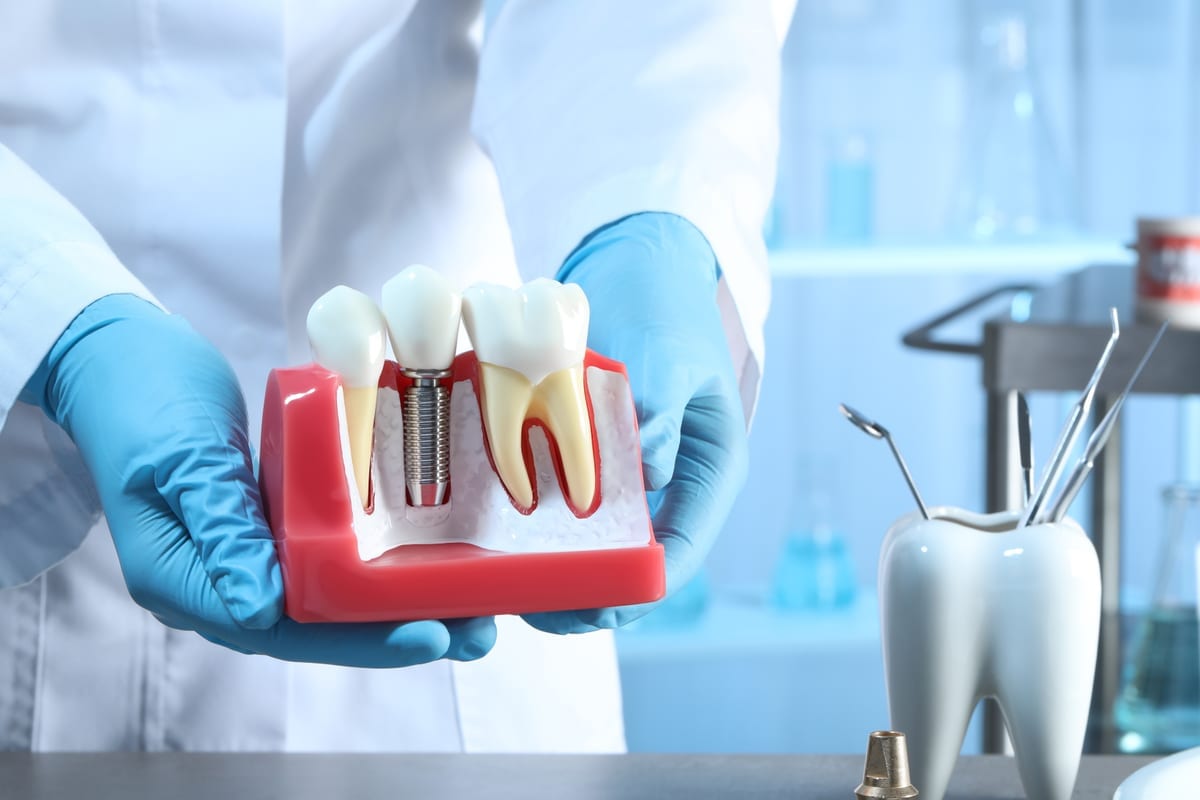
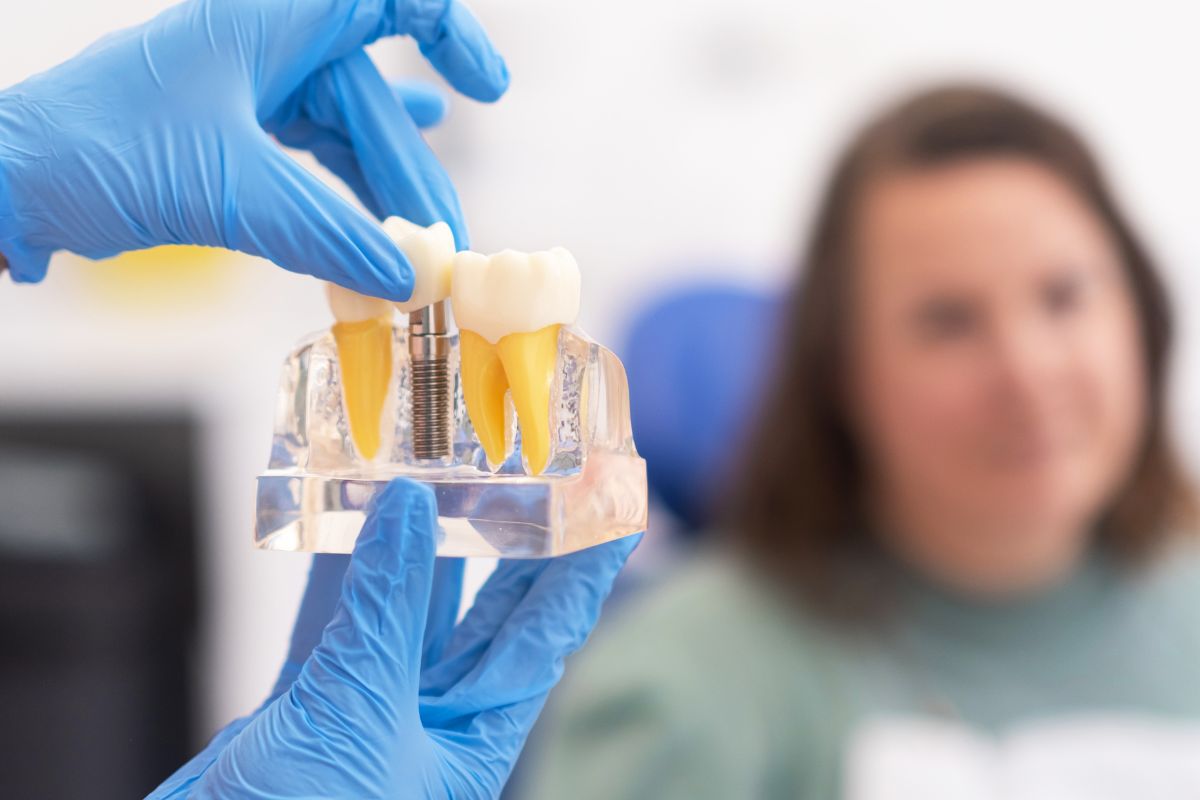
Modern dentistry offers solutions that restore both function and appearance. One of the most reliable options is replacing the missing tooth in a way that supports the jawbone and keeps your smile stable.
Instead of just filling the gap, the goal is to:
- Preserve bone health
- Prevent shifting teeth
- Restore full chewing ability
Why Acting Early Makes a Big Difference
Waiting might seem harmless—but timing matters.
Early replacement can:
- Prevent bone deterioration
- Reduce the need for additional procedures
- Keep treatment simpler and more predictable
Patients who act sooner often experience faster recovery and better long-term results.
Local Care You Can Trust in San Antonio
At Z Dentist San Antonio, we understand that life gets busy—and dental concerns don’t always feel urgent until they become painful or visible.
But replacing a missing tooth is about protecting your future health, not just fixing a current issue.
If you’re unsure what step to take next, a simple consultation can give you clarity and options tailored to your situation.
When Should You Take Action?
You shouldn’t wait if:
- You’ve had a missing tooth for more than a few weeks
- You notice shifting teeth or bite discomfort
- Chewing feels uneven or difficult
- You’re concerned about long-term effects
Take the First Step Toward a Complete Smile
Ignoring the missing tooth consequences won’t make them go away—but taking action now can prevent bigger problems later.
Call Z Dentist San Antonio today to speak with a dental professional or Book your appointment online and get a personalized plan to restore your smile
A small step today can protect your health, confidence, and comfort for years to come.
Frequently Asked Questions
How long can you go without replacing a missing tooth?
Technically, you can wait—but bone loss can begin within months. The sooner you act, the better your outcome.
Does everyone experience bone loss after tooth loss?
Yes, to some degree. The jawbone relies on stimulation from teeth, and without it, deterioration is natural.
Can missing teeth affect other healthy teeth?
Absolutely. Nearby teeth can shift, become loose, or wear down unevenly over time.
Is it okay if the missing tooth is in the back?
Even back teeth play a major role in chewing and bite balance. Ignoring them can still lead to complications.
What happens if I wait too long?
You may need more complex treatments later, such as bone grafting or orthodontic correction.
Will replacing a tooth improve my overall health?
Yes. Restoring proper chewing and oral balance can support digestion, reduce strain, and improve quality of life.
Final Thoughts
A missing tooth might not hurt today—but the long-term impact can be significant. From bone loss to shifting teeth and changes in appearance, the risks are real—but preventable.
Taking action now helps you avoid more complex problems later—and keeps your smile strong, functional, and confident.