7010 W Loop 1604 N, Suite 205, San Antonio, Texas 78254



Seek Expert Care for Clenching and Grinding
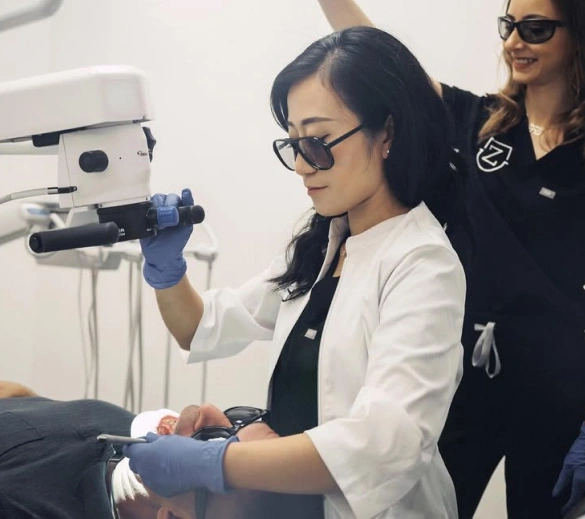
Many individuals tend to clench their jaw or grind their teeth, either during sleep or in times of significant stress. While these behaviors may seem minor, they can lead to serious issues, including intense jaw discomfort.
Jaw pain can make simple activities such as eating and talking quite painful. Though occasional jaw discomfort might not be alarming, persistent or intense jaw problems should not be overlooked.
If you're experiencing jaw issues, it’s important to consult with an experienced dentist who can identify the cause and recommend an appropriate treatment plan.
Book Online


What Is TMD Treatment?
Chronic jaw tension, headaches, and facial discomfort are often rooted in bite imbalance and TMJ dysfunction. At Z Dentist, we take a comprehensive, diagnostic-driven approach to identifying and correcting the underlying cause — not simply masking symptoms.
Treatment may include precision bite analysis, Invisalign® therapy to correct traumatic occlusion, custom oral appliances, therapeutic Botox® to reduce muscle hyperactivity, and deep tissue laser therapy to promote healing and decrease inflammation. Each plan is meticulously tailored to restore balance, relieve discomfort, and protect long-term joint health.
Symptoms of TMD
While TMD can have different causes, the symptoms are usually similar. The most common signs of TMD include:
- Jaw pain
- Neck and shoulder pain
- Issues opening and closing your mouth
- Headaches or migraines
- Face pain
- Jaw popping or clicking noises
- Earaches
- Ringing in your ears
- Jaw stiffness
- Toothaches
These symptoms can also indicate other dental or medical disorders, so it is a good idea to see a dentist for a diagnosis, especially if the issues persist.
Convenient, Effective Treatment Options
TMD can stem from various underlying factors, and we understand that each patient is unique. That’s why we offer a range of treatment options tailored to address your specific TMJ discomfort.
Here’s a summary of our TMD treatment alternatives and their functions:
- Orthodontic treatment like Invisalign: This approach gradually repositions teeth to achieve a better-aligned bite. Correcting malocclusion can reduce uneven pressure and strain on the jaw joints and muscles, potentially easing TMD symptoms.
- Botox: Botox injections work by temporarily relaxing the jaw muscles responsible for clenching and grinding. This reduction in muscle hyperactivity can decrease muscle pain, headaches, and excessive force on the TMJ.
- Deep tissue laser: This therapy uses focused light energy to penetrate tissues around the TMJ. It aims to reduce inflammation, alleviate pain, and promote tissue healing within the joint and surrounding muscles.
- Occlusal Equilibration: This procedure involves making slight adjustments to the biting surfaces of your teeth to create a balanced bite. This can alleviate pressure on the TMJ and help reduce TMD symptoms.
These symptoms can also indicate other dental or medical disorders, so it is a good idea to see a dentist for a diagnosis, especially if the issues persist.
Accepted Insurance for TMD Treatment
We understand that navigating dental insurance can be confusing, which is why our team is here to help. At Z Dentist, we proudly work with accepted insurance plans and accept most major insurance providers to make TMD treatment more accessible and affordable. Our staff will gladly assist you in reviewing your benefits, filing claims, and maximizing your coverage so you can focus on getting the care you need for lasting relief and improved jaw health.