7010 W Loop 1604 N, Suite 205, San Antonio, Texas 78254



How Long Do Dental Implants Last? What San Antonio Patients Should Know
Book Online

If you’re considering dental implants, one of the first questions that comes to mind is a fair one: how long will they actually last? It’s a big investment in your health, your smile, and your quality of life so you deserve a straight answer. The short version? Dental implants are built to last decades. Many patients go their entire lives without ever needing to replace them. But the longer answer depends on a few things worth understanding before you commit.
The worry most patients don’t say out loud
People come into our office having already Googled implants. They’ve seen price tags. They’ve read about complications. And underneath all of it is one quiet fear: what if I go through all of this and it only lasts a few years? That concern is completely valid and it’s exactly why we want to give you the full picture before you decide anything.
The truth is, implants have one of the strongest track records of any dental restoration available. But longevity isn’t automatic. It’s the result of the right placement, the right healing, and the right habits afterward.
So, how long do dental implants last?
Clinical research consistently shows that dental implants have a 95%+ success rate at 10 years, with many studies tracking patients 20 to 25 years out and finding implants still fully functional. When placed and cared for correctly, a dental implant can genuinely last a lifetime.
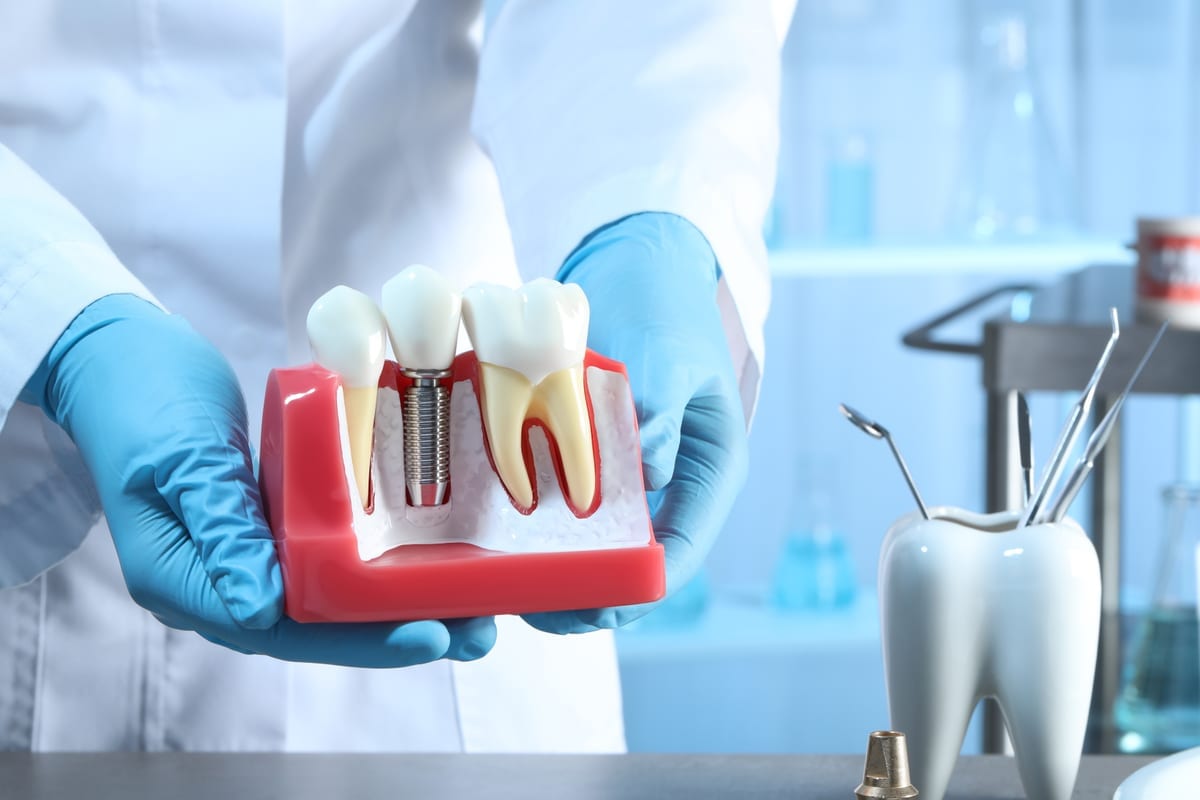
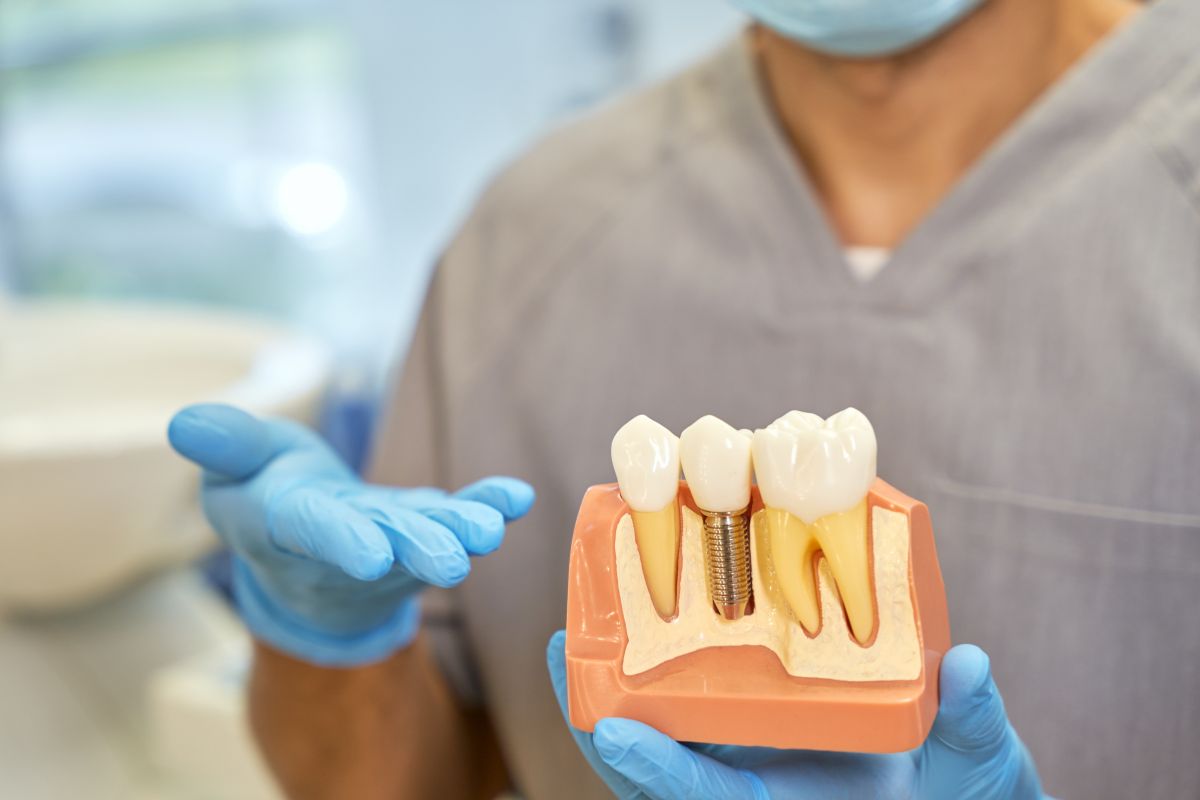
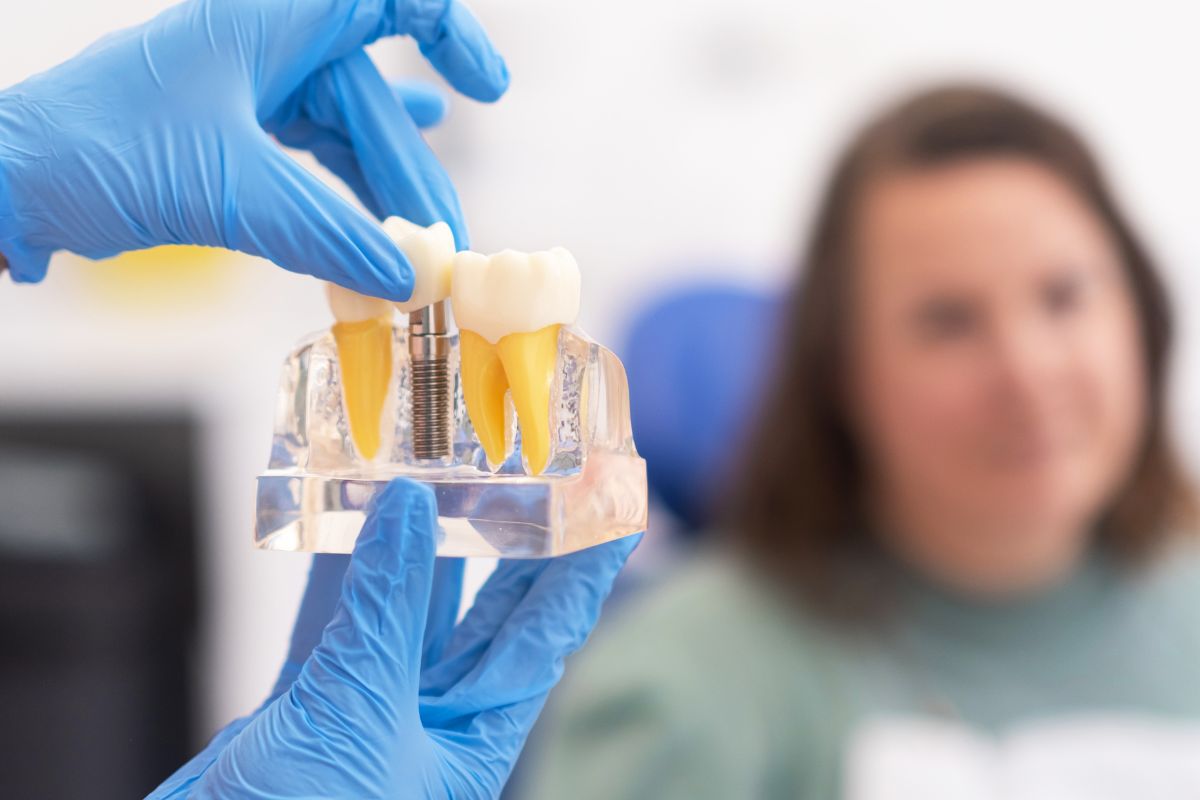
The implant itself the titanium post that fuses with your jawbone is the most durable part. It rarely needs replacement. What’s more likely to need attention over time is the crown on top, which can show normal wear after 10 to 15 years, similar to any other dental restoration.
Here’s how implants compare to other tooth replacement options on longevity:
| Tooth Replacement | Average Lifespan | Bone Preservation | Maintenance |
| Dental implant | 25+ years (often lifetime) | ✓ Fully preserved | Brush & floss daily |
| Dental bridge | 10–15 years | ✗ Bone loss continues | Special flossing tools needed |
| Removable dentures | 5–10 years (refitting needed) | ✗ Significant bone loss | Daily removal & soaking |
| Flipper / temp | 1–2 years | ✗ No bone support | Frequent replacement |
What actually determines how long your implant lasts
Implant longevity isn’t a lottery. Most of the factors are predictable and many of them are within your control.
1. Bone quality and density at placement
The titanium implant fuses with your jawbone in a process called osseointegration. If the bone is dense and healthy, this bond is extremely strong. If bone volume has been lost from a long gap without a tooth, a bone graft may be needed first. Skipping that step is one of the most common reasons implants fail early. At Z Dentist, Dr. Z and Dr. Mo use digital imaging to assess bone structure before any implant is placed, so what goes in is built on solid foundation.
2. Placement precision
An implant placed at the wrong angle, depth, or position faces uneven bite forces from day one. Over years, that adds up. Digitally guided implant surgery removes the guesswork the planned position is verified before a single incision is made. This is one of the biggest advantages of working with experienced implant dentists versus a generalist practice doing occasional implants.
3. Your healing period
The months after placement are critical. Osseointegration the process of bone growing around and bonding with the implant post takes time. Rushing back to hard foods, skipping follow-up appointments, or failing to follow aftercare instructions can disrupt this process before it’s complete. If you want to know exactly what to expect after surgery, our blog on the healing process after dental implants walks through each phase in detail.
4. Daily oral hygiene
Dental implants don’t get cavities but the gum tissue around them absolutely can get infected. Peri-implantitis is a gum infection around an implant, and it’s the leading cause of implant failure in patients who’ve had successful placement. It’s almost entirely preventable with consistent brushing, flossing, and regular professional cleanings.
5. Lifestyle habits
Certain habits accelerate wear on implants and the surrounding bone. Smoking is the most significant it reduces blood flow to the gums, slows healing, and significantly increases failure risk. Teeth grinding (bruxism) puts repetitive stress on the crown and can loosen it over time. Heavy alcohol use also impairs healing. We have a full breakdown of the habits that shorten implant lifespan if you want to go deeper on this topic.
Delaying Treatment Can Shorten Your Implant Success
One factor many patients don’t realize is that timing matters. When a missing tooth is left untreated for months or years, the jawbone gradually shrinks. That bone loss can make implant placement more complicated and may require additional procedures such as bone grafting before an implant can even be placed.
If you’ve been putting treatment off, learn why waiting too long for a dental implant can cost you more than you think and what you can do before bone loss becomes a bigger problem.
The 3-part formula for long-lasting implants
Precision placement — guided surgery that accounts for bone density and bite forces
Protected healing — following your aftercare plan and keeping follow-up appointments
Consistent maintenance — daily hygiene and professional cleanings every 6 months
Wondering if you’re a good candidate?
Book a free implant consultation at Z Dentist. Dr. Z and Dr. Mo will review your bone structure, health history, and goals, no pressure, just answers.
What patients in San Antonio should know about implant care
San Antonio’s climate and lifestyle come with their own considerations. Patients who enjoy spicy foods, lots of social gatherings, or who are managing health conditions like diabetes need a dentist who takes a complete picture. Conditions like uncontrolled diabetes, autoimmune disorders, or long-term steroid use can all affect healing not disqualify you, but affect how we plan your care.
At Z Dentist San Antonio, we see patients from all over the west side of San Antonio from Leon Valley to Helotes to Alamo Ranch. Our approach to dental implants in San Antonio starts with a full clinical assessment, not a one-size treatment plan. That means your implant is planned around your bone, your bite, and your life.
What Our Patients Say
⭐⭐⭐⭐⭐ Elizabeth Mooneyham
“It was a good experience. Hygienist was thorough and left my teeth feeling very clean. All of those I interacted with were welcoming and friendly.”
Although Elizabeth visited for preventive care, her experience reflects what patients consistently appreciate at Z Dentist, thorough treatment, a welcoming team, and a practice that takes time to make every visit comfortable. That same patient-first approach carries through every dental implant consultation and procedure.
Meet the Doctors Behind Your Implants

Dr. Z and Dr. Mo bring advanced surgical training and a hands-on approach to every implant case at Z Dentist. Using digitally guided implant placement, they plan each procedure with precision so what goes in is built to last. They’ve helped hundreds of San Antonio patients replace missing teeth with results that hold up for decades.
Ready to invest in a tooth replacement that lasts?
Z Dentist offers dental implants in San Antonio with digitally guided placement, flexible payment options, and a team that walks you through every step. Call to Schedule Your Implant Consultation!
Quick recap: what makes implants last
- Strong bone foundation: adequate bone density or a bone graft when needed- is the starting point for a lasting implant.
- Experienced placement: digitally guided surgery by trained implant dentists reduces stress on the implant from day one.
- Full healing period: osseointegration takes months; following your aftercare plan protects that process.
- Daily oral hygiene: brushing and flossing around your implant prevents peri-implantitis, the top cause of late-stage failure.
- Routine cleanings: professional cleanings every 6 months keep the gum tissue around your implant healthy for the long haul.
Still Researching Dental Implants?
Making the decision to replace a missing tooth isn’t something most people rush. If you’re comparing treatment options, wondering whether implants are right for you, or simply want to know what to expect before scheduling a consultation, we’ve put together another helpful guide.
Read Thinking About Dental Implants in San Antonio? Read This Before You Decide for answers to the questions many patients ask before beginning treatment.
Frequently asked questions
Do dental implants ever need to be replaced?
The implant post itself, the titanium piece fused to your jaw rarely needs replacement if it integrates properly and you maintain good oral health. The dental crown on top may need to be replaced after 10 to 15 years of normal wear, similar to any other crown. So the underlying structure can last a lifetime, while the visible part may need attention eventually.
What is the most common reason implants fail?
Peri-implantitis, an infection of the gum and bone tissue around the implant is the leading cause of implant failure in patients whose placement was successful. It’s closely linked to poor oral hygiene and infrequent professional cleanings. Smoking is the next biggest risk factor.
Does smoking affect how long an implant lasts?
Yes, significantly. Smoking reduces blood flow to the gums, which slows healing after surgery and increases the risk of infection. Smokers have a higher rate of implant failure both in the early healing phase and long-term. If you smoke, that’s an important conversation to have during your consultation.
Will my implant feel and function like a natural tooth?
For most patients, yes. Once fully healed and crowned, a dental implant is anchored in your jawbone the same way a natural tooth root is. You can eat, speak, and smile without the implant feeling different. Over time, patients often forget which tooth is the implant.
How often do I need to see the dentist after getting an implant?
We recommend maintaining your regular 6-month checkup and cleaning schedule. Your dentist will monitor the implant, the surrounding gum tissue, and the crown at each visit. In the first year post-placement, you may have additional follow-up appointments to confirm full osseointegration.
Is there anything that shortens implant lifespan that I should know about?
The main factors are: teeth grinding (bruxism), smoking, poor oral hygiene, skipping professional cleanings, and uncontrolled systemic health conditions like diabetes. Many of these are manageable, your dentist can recommend a night guard if you grind, for example. The key is being honest during your consultation so your care plan accounts for your full picture.
Can an implant fail years after it was placed?
Late-stage implant failure is less common than early failure but does happen most often due to peri-implantitis or bone loss that wasn’t caught at routine checkups. This is one reason regular dental visits matter even when your implant feels perfectly fine.
Are implants worth the investment given how long they last?
When you factor in that bridges and dentures need replacement every 5 to 15 years and that bone loss from missing teeth creates ongoing problems, most patients find implants the more cost-effective choice over a lifetime. Your dentist can help you run the numbers based on your specific situation during a consultation.