7010 W Loop 1604 N, Suite 205, San Antonio, Texas 78254



The Simple Dental Habit That Can Help You Avoid Costly Treatments
Book Online


You know that feeling when a small crack in your windshield turns into a full replacement because you kept putting it off? Teeth work the same way. The tooth that gives you a tiny twinge on a Tuesday can turn into a root canal by Friday if it’s ignored long enough.
Every dentist in San Antonio has seen this pattern countless times: a patient comes in with an emergency that could have been a simple $150 filling six months earlier but has now become a $2,000 crown or, worse, an extraction. The good news is that avoiding that path doesn’t take a complicated routine. It takes one habit, done consistently.
The Problem: Small Issues Rarely Stay Small
Most people don’t skip the dentist because they don’t care about their teeth. They skip it because nothing hurts yet. That’s actually the trap. Tooth decay, gum disease, and bite problems are almost painless in their early stages, and by the time you feel something, the damage is usually well underway.
A cavity that starts in the enamel is a simple, inexpensive fix. Left untreated, it moves into the dentin, then the nerve, and what was once a five-minute filling becomes a multi-visit root canal and crown. Gum disease follows a similar curve: mild inflammation (gingivitis) is fully reversible, but once it progresses to periodontitis, you’re looking at bone loss that can’t be undone.
Why ‘Waiting Until It Hurts’ Backfires
Pain is usually a late-stage signal, not an early warning system. Dental nerves are buried deep inside a tooth that’s protected by hard enamel, so damage has to travel a long way before you notice it. That delay is exactly why costs escalate so quickly between a checkup-based approach and a symptom-based approach.
| Did You Know? The American Dental Association has long noted that every $1 spent on preventive dental care can offset several dollars in restorative and emergency treatment costs down the road. Prevention isn’t just healthier, it’s mathematically cheaper. |
Why It Matters: The Real Cost of Skipping Preventive Dental Care
This isn’t only about money, though the financial difference is real. It’s about time, comfort, and keeping your natural teeth for life. A routine cleaning takes about 45 minutes twice a year. A root canal and crown can take three appointments spread over several weeks, plus recovery days you didn’t plan for.
Here’s how the two paths tend to compare for most adult patients:
| Approach | Cost Over 5 Years* | Time in the Chair | Risk of Emergency |
| Routine checkups + cleanings | $400–$800 | 6 hours total | Low |
| Waiting until something hurts | $3,000–$8,000+ | 15–25+ hours | High |
| Ignoring symptoms entirely | $10,000+ (implants, root canals, crowns) | Multiple procedures | Very high |
*Estimates based on typical adult patient patterns; your actual costs depend on your specific oral health, insurance, and treatment needs.
The Risks of Putting Off Routine Dental Exams
- Silent gum disease: Gingivitis often shows no pain at all, just occasional bleeding that people brush off as normal.
- Cavities you can’t see: Decay between teeth or under old fillings doesn’t show up without an exam and X-ray.
- Bite alignment changes: Small shifts in bite alignment can quietly wear down enamel and stress your jaw over time.
- Emergency scheduling stress: Same-day toothaches often mean rearranging work and family plans on short notice.
- Higher lifetime cost: Restorative work like crowns, root canals, and extractions costs far more than prevention over a lifetime.
Some dental problems develop quietly, while others send clear warning signals that shouldn’t be ignored. If you’re experiencing persistent tooth pain, swollen gums, sensitivity, or other concerning symptoms, our guide “Don’t Ignore These Warning Signs: When to Visit a Dentist in San Antonio“ explains which signs require prompt professional care and why acting early can help you avoid more complex treatment.
The Professional Solution: One Habit, Consistently Applied
The habit is simple: two professional teeth cleanings a year, paired with a full dental exam. That’s it. Not a complicated at-home regimen, not a long list of products, just a standing appointment on your calendar every six months.
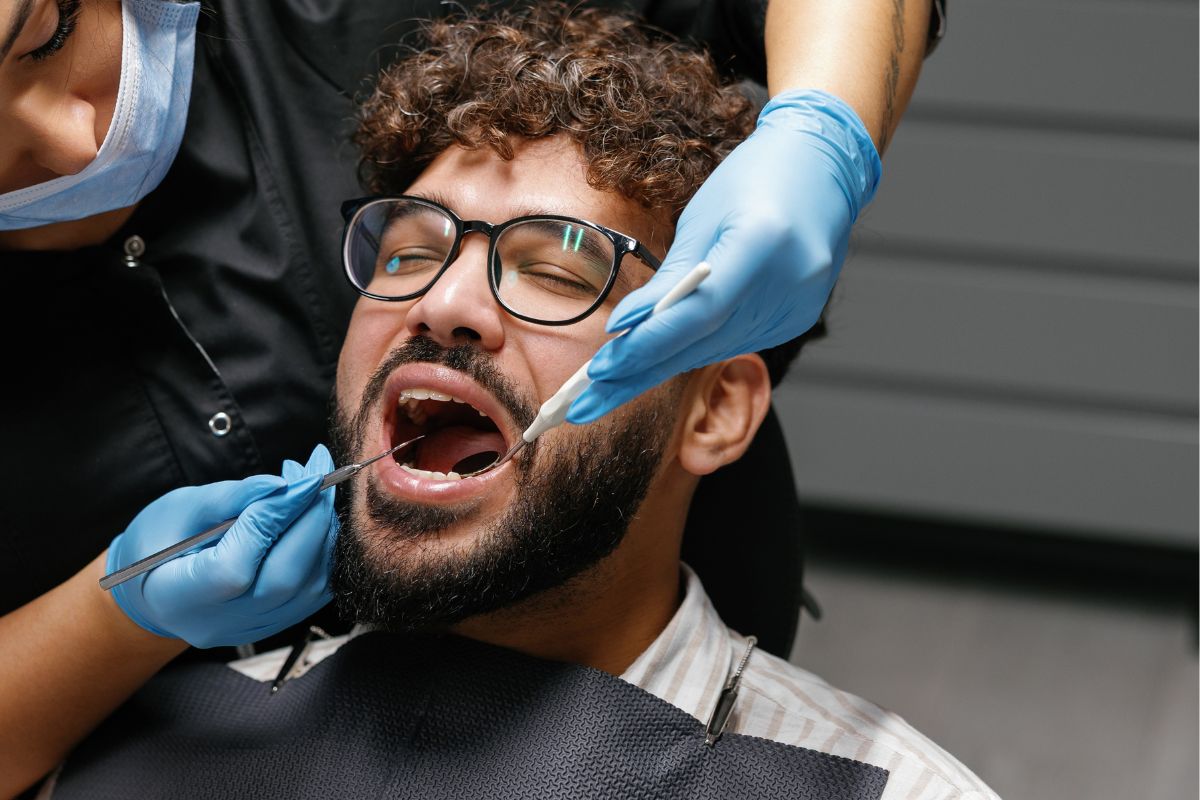
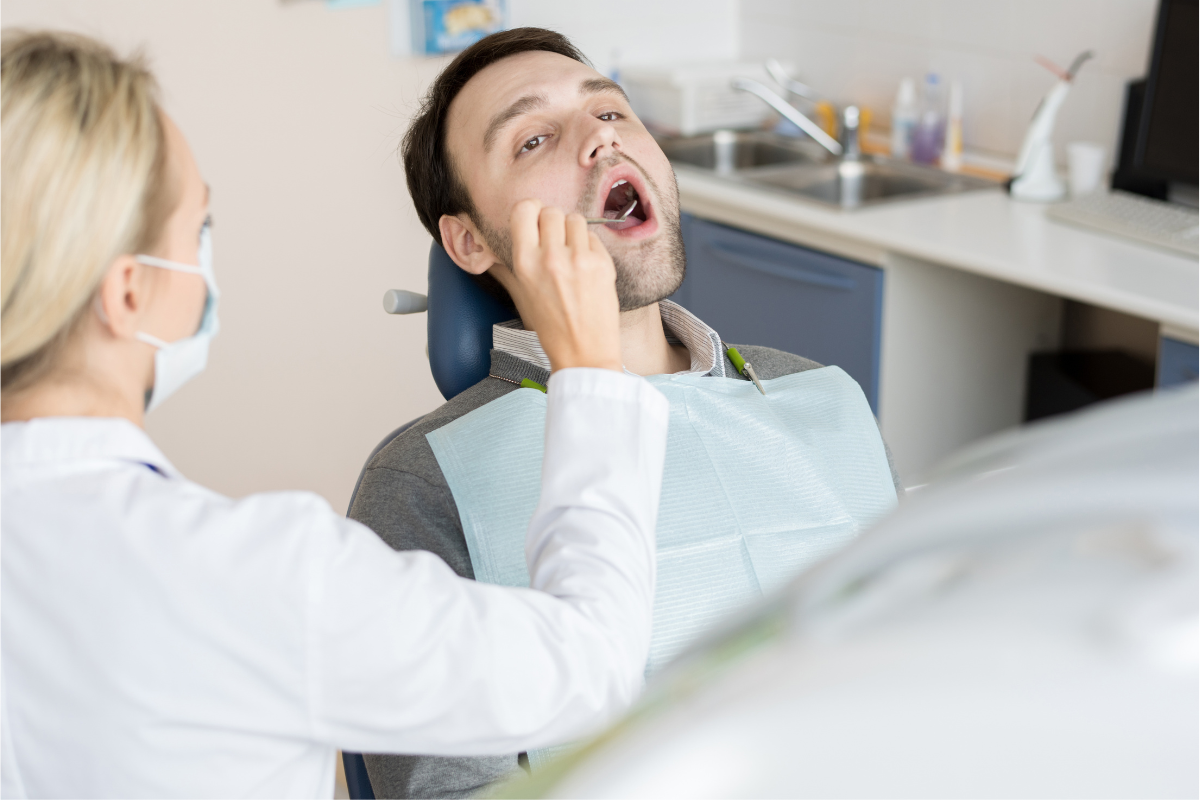
During a routine exam, your dentist checks for the things a mirror can’t show you: early decay between teeth, bone changes around the gums, worn enamel, and signs of bite alignment problems. Professional teeth cleaning also removes hardened plaque (tartar) that a toothbrush physically cannot reach, which is one of the biggest drivers of gum disease.
What a Preventive Visit Actually Includes
- Professional cleaning: Removes plaque and tartar buildup along and below the gumline.
- Comprehensive exam: Checks enamel, existing restorations, gum health, and bite alignment.
- Digital X-rays (as needed): Reveals decay and bone changes invisible to the naked eye.
- Personalized oral hygiene guidance: Practical, doable habits based on your specific mouth, not generic advice.
Wondering what your dentist is actually looking for during a routine exam? Long before any treatment is recommended, experienced dentists evaluate subtle signs of oral health, from gum condition and enamel wear to bite alignment and existing restorations. Learn more in “What Dentists Notice About Your Teeth in the First 10 Seconds,” where we explain how these early observations help catch problems before they become costly.
Meet Your Doctors — Dr. Z & Dr. Mo

Dr. Z and Dr. Mo met while training at UCSF School of Dentistry, and they built Z Dentist San Antonio around one idea: prevention should feel simple, not stressful. Between them, they’ve spent years helping patients avoid the exact treatments this article talks about, by catching small issues before they become big ones.
Schedule a consultation with Dr. Z or Dr. Mo to build a prevention plan that fits your smile.
Local Authority: Preventive Care for San Antonio Patients
San Antonio’s mix of busy work schedules, family commitments, and a genuinely warm community means dental visits often get pushed to “next month” more than people would like to admit. At Z Dentist San Antonio, this is one of the most common patterns the team works to interrupt, gently and without judgment.
Whether you’re near Alamo Ranch, Culebra Commons, or elsewhere around the city, building routine dental exams into your calendar twice a year is one of the most reliable ways to protect both your smile and your budget long term.
⭐⭐⭐⭐⭐ Kim F.
This was my first time at the office and I am so impressed!! As soon as I walked in the very nice young man at the front greeted us by name! There was a very very short waiting period and Carola the hygienist brought us back! 2 of my kids had appointments and she got them settled in at the same time. They even had their names on the tv screens in each room which I thought was so cute and thoughtful! When she was done working on one kid she hopped right over to the other room and worked on my other one while the doctor came in and did the first exam. Very seamless process! Everything was explained in full detail to me and to my kids. Carola made them feel very comfortable, so much so that my 4 year old thanked her for her teeth! Lol! Besides the entire staff being so friendly, the actual office is beautiful and clean! What an amazing first experience! Thank you to everyone at Z Dentist! 💜
| Don’t Wait for a Toothache to Take Action A routine checkup today is faster, gentler, and far less expensive than emergency care later. San Antonio patients can get on the schedule this week. Book Your Appointment Today! |
Building the Habit Into Your Routine
Preventive dentistry works best when it’s automatic, not something you have to remember. A few practical ways to make that happen:
- Book your next visit before you leave the office: this removes the decision-making six months from now.
- Pair it with an existing routine: schedule around a birthday month or the start of a season so it’s easy to remember.
- Use calendar reminders: a simple recurring reminder does more than willpower alone.
- Ask about membership or savings plans: many practices offer in-house plans that make routine visits more predictable to budget.
| Protect Your Smile Before Small Problems Grow Two visits a year is all it takes to catch issues early and avoid costly treatment down the road. San Antonio patients can schedule online in minutes. Call Us to Schedule Your Visit Now! |
Frequently Asked Questions
1. How often should I really get a dental checkup?
Most patients benefit from a professional dental cleaning and comprehensive exam every six months. However, if you have gum disease, a history of frequent cavities, or other oral health concerns, your dentist may recommend visits every three to four months.
2. Can preventive dental care actually prevent expensive procedures?
Yes. Preventive dental care helps identify problems like cavities and gum disease in their earliest stages, when they are easier and less expensive to treat. Addressing issues early can often help you avoid more complex procedures such as root canals, dental crowns, or tooth extractions.
3. What’s the difference between preventive and restorative dentistry?
Preventive dentistry focuses on keeping your teeth and gums healthy through routine exams, professional cleanings, and patient education. Restorative dentistry repairs existing damage with treatments such as fillings, crowns, bridges, or root canal therapy.
4. Does dental insurance usually cover routine cleanings?
Many dental insurance plans cover two preventive visits per year with little or no out-of-pocket cost. Coverage varies by provider and plan, so it’s always a good idea to confirm your specific benefits before your appointment.
5. Are dental X-rays necessary at every visit?
Not always. Your dentist will recommend dental X-rays based on your oral health history, risk factors, and clinical findings. Some patients may only need X-rays annually, while others may benefit from them more frequently.
6. What are the early signs of gum disease I shouldn’t ignore?
Common early signs include bleeding while brushing or flossing, persistent bad breath, swollen or tender gums, and gum redness. Scheduling a dental exam as soon as you notice these symptoms can help prevent gum disease from progressing.
7. Is professional teeth cleaning different from brushing at home?
Yes. Daily brushing and flossing remove plaque from your teeth, but professional dental cleanings remove hardened tartar that cannot be eliminated with a toothbrush. Removing tartar is essential for preventing gum disease and maintaining long-term oral health.
8. What if I haven’t been to the dentist in years?
You’re not alone, and it’s never too late to restart your oral health routine. Your first visit will focus on evaluating your current dental health, identifying any concerns, and creating a personalized treatment plan to help you move forward comfortably and confidently.