7010 W Loop 1604 N, Suite 205, San Antonio, Texas 78254



The 30-Second Mirror Test- What Your Mouth Might Be Trying to Tell You
Book Online

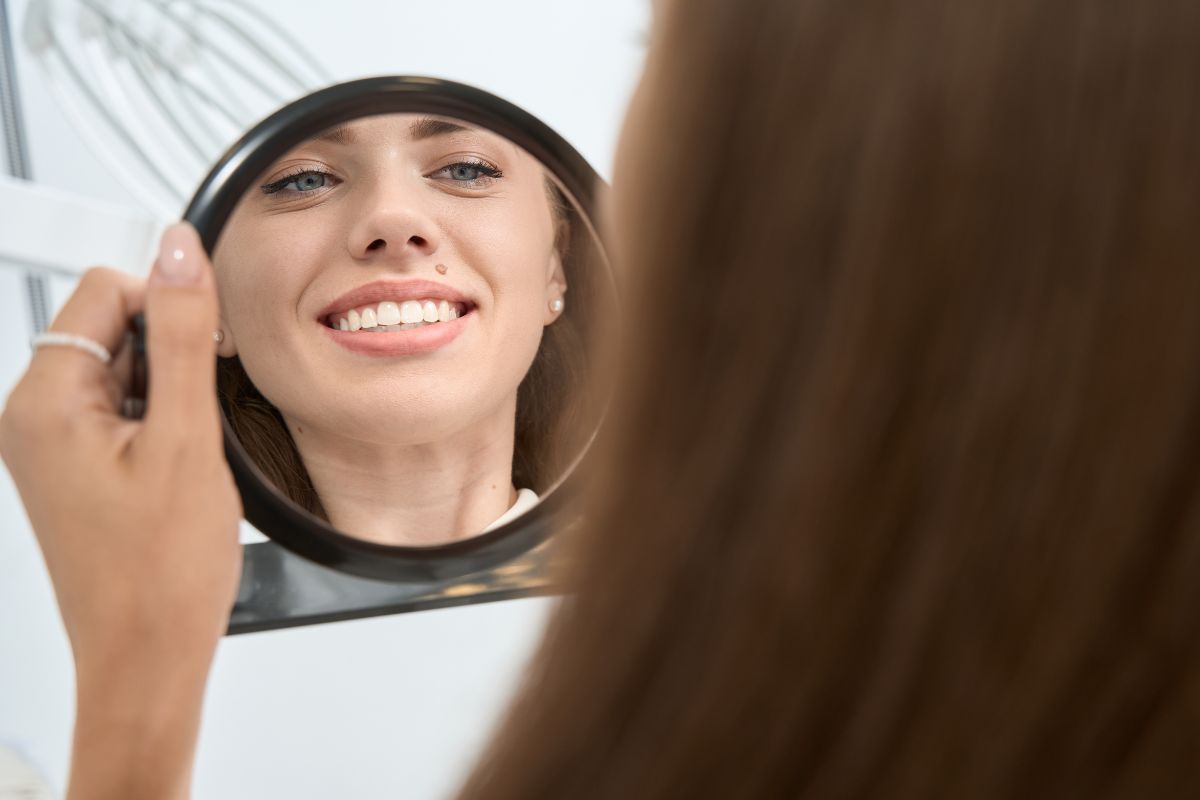
You roll out of bed, shuffle to the bathroom, and go through the same thirty seconds you always do: brush, rinse, glance in the mirror, out the door. Most mornings, that glance means nothing. But every so often, your mouth is quietly trying to tell you something and the mirror is the first place it shows up.
Long before a toothache sends you searching for an emergency appointment, your gums, tongue, and teeth usually give small, easy-to-miss signals. Learning to read them takes less time than it takes your coffee to brew, and it can be the difference between a simple fix and a much bigger, more expensive problem down the road.
This guide walks you through exactly what to check during that morning mirror moment, what each sign might mean, and when it’s time to move from self-check to a professional dental evaluation.
What Is the Morning Mouth Test?
The morning mouth test is a quick self-check – under a minute – where you look at your gums, tongue, teeth, and bite in natural light before you’ve eaten or had coffee. It’s not a diagnosis. It’s an early-warning habit that helps you notice changes while they’re still small enough to treat easily.
Five Things to Check in the Mirror
- Gum color and texture. Healthy gums are firm and pale pink. Redness, puffiness, or a glossy look can point to early gum disease.
- Bleeding. A little blood when you floss might seem minor, but it’s usually the earliest sign of gum inflammation.
- Breath. Morning breath is normal. Breath that stays sour after brushing can signal bacteria buildup below the gumline.
- Tongue appearance. A healthy tongue is pink with a thin, even coating. Persistent white patches, sores, or discoloration are worth watching.
- Bite and alignment. If your teeth suddenly feel like they’re meeting differently, it can point to shifting, grinding, or a developing bite issue.
| Did You Know? Gum disease in its earliest stage, called gingivitis, is almost always reversible with better home care and a professional cleaning. Left unaddressed, it can progress into periodontitis, which causes permanent bone and tissue loss around the teeth. |
Why These Small Signs Matter
It’s easy to brush off (literally) a little redness or a spot of blood in the sink. But your mouth doesn’t operate in isolation. Gum inflammation has been linked in research to broader health concerns, including cardiovascular strain and difficulty managing blood sugar. Catching mouth health signs early isn’t just about saving a tooth – it’s about staying ahead of problems that can quietly affect the rest of your body.
There’s also a simple, practical reason to pay attention: the earlier a dentist sees a change, the smaller and less invasive the fix usually is. A stain caught early might just need a professional cleaning. The same stain ignored for two years might need a filling or crown.
The Hidden Risks of Ignoring Oral Health Warning Signs
Most people don’t ignore oral health warning signs on purpose – they just don’t realize what they’re looking at. Here’s a quick reference for telling the difference between normal and concerning:
| What’s Normal | A Possible Warning Sign |
|---|---|
| Gums are firm and light pink, no bleeding when you floss. | Gums look red, puffy, or bleed when you brush or floss. |
| Breath is fresh within an hour of brushing. | Breath stays sour even right after brushing your teeth. |
| Teeth are a consistent, even shade. | New white, brown, or gray spots appear on the enamel. |
| Tongue is pink with a light, even surface. | Tongue shows unusual coating, sores, or lasting discoloration. |
| Bite feels the same as it always has. | Teeth feel like they’re shifting or meeting differently. |
If any of the items in the right-hand column sound familiar, it doesn’t automatically mean something serious is wrong. It does mean it’s worth having a professional take a closer look before the issue has a chance to progress.
What a Professional Evaluation Can Catch That a Mirror Can’t
A mirror check is a great habit, but it has limits. You can’t see below the gumline, between your back molars, or inside a tooth. A dental exam typically includes:
- Measuring gum pocket depth to catch bone and tissue changes early
- X-rays that reveal decay or bone loss hiding between teeth or under old fillings
- A bite and jaw evaluation to check for early wear, grinding, or alignment shifts
- An oral cancer screening that checks tissue changes a mirror simply can’t assess
Wondering what stands out to a dentist the moment you sit in the chair? Learn what experienced dentists often notice within the first few moments of your exam—and why those early observations can reveal more than you might expect.
Related Reading: What Dentists Notice About Your Teeth in the First 10 Seconds
A Trusted Dental Team in San Antonio
Z Dentist San Antonio has spent years helping patients across the city – from Alamo Heights to Stone Oak to the Medical Center area — catch small oral health changes before they become bigger ones. Every patient who mentions a change they noticed at home, whether it’s bleeding gums or a spot that looks different, gets a real conversation about what it means and what the options are. Call us now to get an appointment!
⭐⭐⭐⭐⭐ Nooneimp
I originally went to Z Dentist for Invisalign, but what I didn’t expect was how much it would help everything else. I’d dealt with TMJ pain and sleep apnea for a long time and had mostly accepted them as things I’d live with. Dr. Z connected the dots and treated it as one problem instead of three. My jaw pain is drastically better and my sleep has improved more than any other treatment I’ve tried. The whole team explained each step, and I never felt rushed or upsold. If you’re dealing with jaw pain or sleep issues on top of wanting straighter teeth, this is the place to go!
Building a Simple Morning Oral Health Habit
You don’t need a complicated routine to stay ahead of oral health warning signs – you need a consistent one. Try building these small habits into your existing morning routine:
- Check before you brush. Look at your gums and tongue in natural light, before toothpaste changes their color.
- Floss at night, not just before a cleaning. Bleeding that shows up regularly is more telling than a one-time occurrence.
- Note changes, don’t just notice them. A quick phone note (“white spot, lower left molar, 3/12”) helps your dentist track patterns.
- Keep regular checkups on the calendar. Self-checks catch what you can see. A dentist checkup catches what you can’t.
Daily self-checks are just one part of protecting your smile. Small preventive habits practiced consistently can often help reduce the need for more extensive dental treatment later on.
Continue Reading: The Simple Dental Habit That Can Help You Avoid Costly Treatments
| Make Your Next Checkup the Easy Kind Catching things early means simpler visits, not bigger ones. Book your appointment with Z Dentist San Antonio today. Book Your Appointment Today! |
Frequently Asked Questions
1. Why does one tooth feel different but not hurt?
A change in sensation without pain often points to early-stage issues like a small crack, mild enamel wear, or a slight bite shift—all of which can be felt before they’re visible or painful.
2. Is it normal for a tooth to suddenly feel weird?
Occasional changes can be normal, especially after eating something very hot, cold, or hard. However, if the sensation lasts more than a few days, keeps coming back, or worsens, it’s a good idea to have a dentist evaluate it.
3. Can a tooth feel different because of stress or teeth grinding?
Yes. Clenching or grinding your teeth, often linked to stress, can place uneven pressure on a single tooth, making it feel more sensitive, taller, or achy compared to the surrounding teeth.
4. Should I be worried if there’s no visible damage?
Not necessarily. Many causes of a strange tooth sensation are minor. However, early cavities, small cracks, and bite problems often aren’t visible without a professional examination, so it’s worth getting checked if the feeling persists.
5. How long should I wait before seeing a dentist about tooth sensitivity?
If the sensation lasts longer than a week, returns repeatedly, or becomes more noticeable, schedule a dental exam. Early evaluation can often prevent a more complicated dental problem.
6. Can a filling or old dental work cause a tooth to feel different?
Yes. An older filling or a filling that’s slightly high can change how your teeth come together when you bite, causing one tooth to feel different. In many cases, a simple adjustment can resolve the issue.
7. What tests will a dentist perform to find the cause?
A dental exam may include a visual and tactile inspection, digital X-rays, a bite evaluation, and thermal or sensitivity testing to determine what’s causing the change in sensation.
8. Does a weird tooth sensation always mean a cavity?
No. While a cavity is one possible cause, a tooth that feels different may also result from enamel wear, teeth grinding, bite misalignment, gum irritation, or early nerve inflammation. A dental examination is the best way to identify the underlying cause.