7010 W Loop 1604 N, Suite 205, San Antonio, Texas 78254



The Damage You Don’t Feel Yet: What Silent Tooth Decay Signs May Be Telling You
Book Online

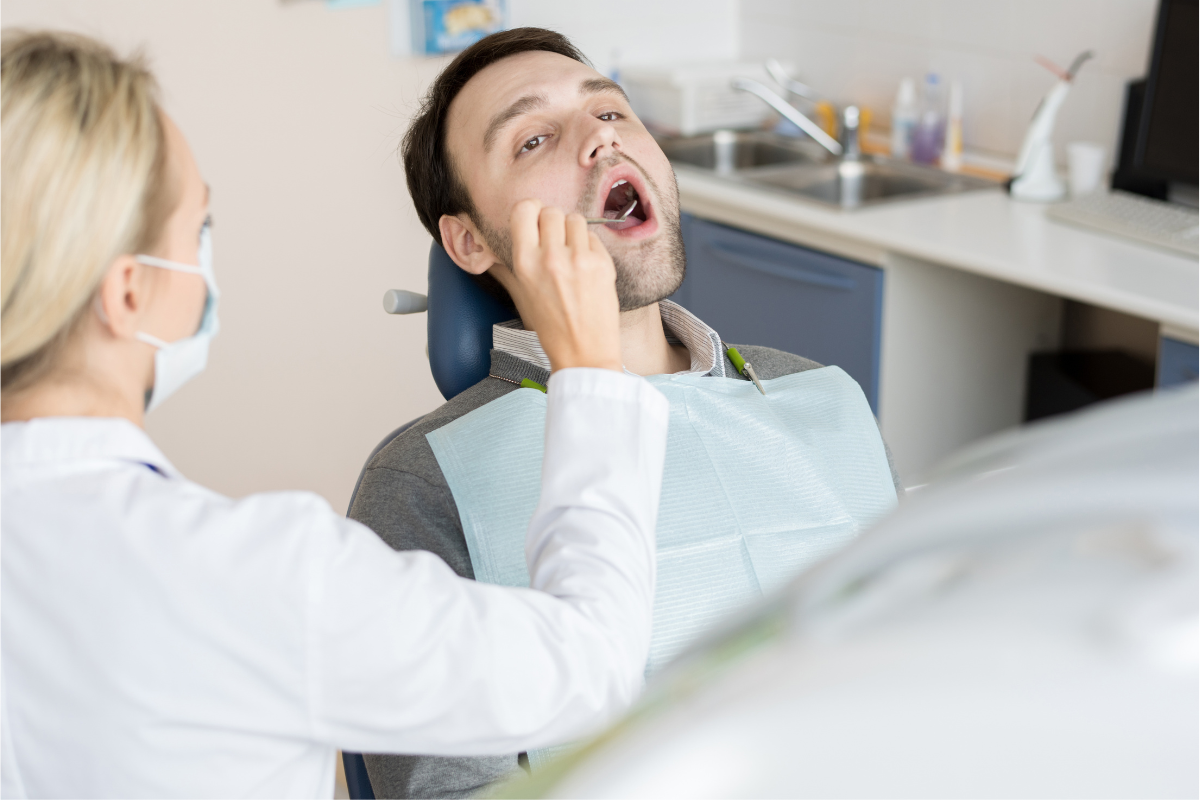
Most people assume dental problems announce themselves with pain.
But some of the most serious tooth issues begin quietly.
A small area of enamel damage. A hidden cavity between teeth. Early gum inflammation. Tiny cracks caused by grinding. None of these may hurt at first — which is exactly why they become dangerous.
By the time discomfort starts, the damage may already be deeper than expected.
Understanding silent tooth decay signs can help patients protect their oral health before a minor issue turns into an emergency. For many families in San Antonio, catching these early changes with the help of a trusted dentist can mean the difference between a simple filling and a much more complex treatment later.
What Are Silent Tooth Decay Signs?
Silent tooth decay signs are early changes in the teeth or gums that happen before pain develops.
In many cases, tooth decay progresses slowly beneath the surface. The outer enamel can weaken long before the nerve inside the tooth becomes irritated.
Common silent warning signs include:
- White or chalky spots on teeth
- Increased tooth sensitivity
- Food getting stuck in the same area repeatedly
- Bad breath that doesn’t improve
- Mild gum swelling near one tooth
- Small dark grooves or staining
- Rough tooth edges
- Occasional pressure while chewing
- Sudden sensitivity to cold drinks
Pain is often a late-stage symptom.
That’s why preventive dental visits matter even when everything “feels fine.”
Why Tooth Damage Often Stays Hidden
The outer enamel layer does not contain nerves.
That means decay can slowly weaken the tooth structure without triggering discomfort immediately. Cavities often develop in places patients cannot easily see, including:
- Between teeth
- Under older fillings
- Near the gumline
- Beneath dental crowns
- In tiny enamel cracks
Saliva, diet, grinding, and oral hygiene habits also affect how quickly damage progresses.
Patients who delay care because they are waiting for pain may unknowingly allow bacteria to spread deeper into the tooth.
The Decision-Making Mistake Many Patients Make
A common thought process sounds like this:
“If it doesn’t hurt, it probably isn’t serious.”
Unfortunately, dentistry does not always work that way.
Many emergency dental visits in San Antonio begin with patients who ignored subtle symptoms for months because the issue seemed minor.
Then suddenly:
- A tooth fractures during dinner
- Swelling develops overnight
- Severe sensitivity appears
- An infection spreads
- A root canal becomes necessary
The hidden stage before pain is often the best time to intervene.
Some dental problems begin with sensations that are difficult to describe — pressure, odd sensitivity, or a feeling that your bite suddenly feels different. If your teeth feel unusual even though nothing visibly appears wrong, this related article explains what may be happening beneath the surface.
Early Enamel Changes Most People Miss
White Spots on Teeth
One of the earliest signs of enamel demineralization is a chalky white appearance.
This can happen when acids weaken minerals inside the enamel. At this stage, the tooth may still be repairable without extensive restorative dentistry.
Increased Sensitivity
If cold drinks suddenly feel uncomfortable, even briefly, it may indicate enamel thinning or early decay.
Sensitivity is not always “normal aging.”
Dark Grooves or Tiny Shadows
Small brown or gray areas in tooth grooves may indicate developing cavities.
Not every stain is decay, but changes should still be evaluated by a dental professional.
Sometimes the earliest warning signs are incredibly subtle. Small texture changes, faint discoloration, or mild sensitivity can all signal developing issues beneath the surface. Read more about the tiny changes in your teeth that could be warning you about bigger problems ahead before they become harder to treat.
How Gum Health Connects to Hidden Tooth Damage
Tooth decay and gum disease often overlap.
Inflamed gums can expose vulnerable tooth roots, creating new areas where bacteria collect. Patients may notice:
- Bleeding while brushing
- Puffy gum tissue
- Gum recession
- Persistent bad breath
These signs may seem unrelated to cavities, but they can significantly affect long-term oral health.
When gum inflammation and tooth decay combine, the risk of tooth loss increases.
The Hidden Risk of “Watching and Waiting”
Some patients hope symptoms will disappear on their own.
Unfortunately, untreated tooth decay rarely reverses without professional intervention once a cavity forms.
Delaying treatment can lead to:
| Early Problem | Possible Long-Term Outcome |
| Small cavity | Larger cavity or infection |
| Minor enamel damage | Tooth fracture |
| Mild sensitivity | Nerve inflammation |
| Gum irritation | Periodontal disease |
| Hidden crack | Split tooth requiring extraction |
Small problems are usually easier — and less invasive — to treat early.
Why Professional Exams Catch Problems Earlier
Even careful brushing and flossing cannot always reveal hidden decay.
Dental exams may include:
- Digital X-rays
- Gum evaluations
- Bite assessments
- Oral cancer screenings
- Enamel and restoration checks
These evaluations help identify problems before they become painful emergencies.
A trusted Z Dentist San Antonio may also monitor subtle changes over time, making it easier to spot developing concerns early.
Patient Trust & Experience
Many patients are surprised to discover how much tooth damage can develop before pain ever begins.
One recent Google reviewer, Jennifer Z., shared
I had a very pleasant experience at Z dental. I was able to get in the same day as a new patient. The dentist was very knowledgeable and listened to me and explained my treatment options. I highly recommend this dental practice.
Stories like this reflect something many patients experience with preventive dental care: early evaluation often helps uncover issues before they become painful emergencies.
When subtle symptoms like mild sensitivity, pressure, or changes in bite alignment are checked early, patients may have more conservative treatment options available and avoid more extensive restorative dentistry later.
You can also explore additional Google reviews and patient experiences to learn how local San Antonio patients describe their visits and treatment experiences at Z Dentist San Antonio.
What You Can Do Right Now to Protect Your Teeth
Daily habits that help reduce hidden decay risk:
- Brush twice daily with fluoride toothpaste
- Floss consistently
- Limit frequent sugary snacks
- Wear a nightguard if grinding occurs
- Stay hydrated
- Schedule regular dental cleanings
- Address sensitivity early
Preventive care is often less stressful, less invasive, and less expensive than emergency treatment later.
When to Schedule a Dental Visit
You should schedule an exam if you notice:
- Persistent sensitivity
- Food trapping between teeth
- Bleeding gums
- Bad breath that won’t improve
- Dark spots on teeth
- Pressure while chewing
- A rough or chipped tooth edge
Even mild symptoms deserve attention.
Patients searching for a “dentist near me” are often surprised how quickly early treatment can prevent future complications.
If discomfort suddenly worsens, seeking evaluation through a related emergency dental care service may help prevent infection or tooth loss.
Why Preventive Dentistry Matters in San Antonio
Busy schedules make it easy to postpone dental visits.
But in a growing city like San Antonio, many patients balance work, family responsibilities, travel, and daily stress — all of which can contribute to delayed care, teeth grinding, inconsistent oral hygiene, and worsening oral health habits.
Preventive dentistry focuses on protecting:
- Enamel strength
- Gum health
- Bite alignment
- Smile appearance
- Long-term tooth stability
Early detection can also support future treatment success for services related to cosmetic dentistry, dental crowns, restorative dentistry, and dental implant service planning if needed later.
If something about your teeth has started to feel “off,” schedule an appointment with Z Dentist San Antonio for a professional evaluation and personalized treatment recommendations before the problem progresses further.
Don’t Wait for Pain to Tell You Something Is Wrong
Pain is not always the first sign of dental trouble.
In many cases, the most important stage happens quietly — before symptoms become impossible to ignore.
Recognizing silent tooth decay signs early may help you avoid larger procedures, unexpected emergencies, and long-term damage.
If something feels “slightly off,” it may be worth getting it checked sooner rather than later.
Call Z Dentist San Antonio to schedule a preventive dental evaluation and protect your smile before hidden damage progresses further.
Frequently Asked Questions
Can tooth decay exist without pain?
Yes. Many cavities begin in the enamel, which does not contain nerves. Pain often develops only after decay reaches deeper layers of the tooth.
What are the earliest silent tooth decay signs?
Early signs may include white spots, sensitivity, bad breath, gum irritation, or dark grooves on teeth.
Why do cavities suddenly start hurting later?
As decay spreads toward the tooth nerve, inflammation increases. This is usually when pain becomes noticeable.
Can brushing reverse early tooth damage?
Very early enamel demineralization may sometimes improve with fluoride and professional guidance. However, actual cavities usually require dental treatment.
How often should adults visit a dentist?
Most adults benefit from dental exams and cleanings every six months, though some patients may need more frequent visits.
Is tooth sensitivity always a cavity?
Not always. Sensitivity may also relate to enamel wear, gum recession, grinding, or cracked teeth. A dental exam can identify the cause.
Can stress affect oral health?
Yes. Stress may contribute to teeth grinding, dry mouth, poor oral hygiene habits, and increased risk of gum disease.
When should I seek emergency dental care?
Seek prompt evaluation if you experience swelling, severe pain, fever, facial pressure, or sudden tooth fractures.