7010 W Loop 1604 N, Suite 205, San Antonio, Texas 78254



What Dentists Notice About Your Teeth in the First 10 Seconds
Book Online

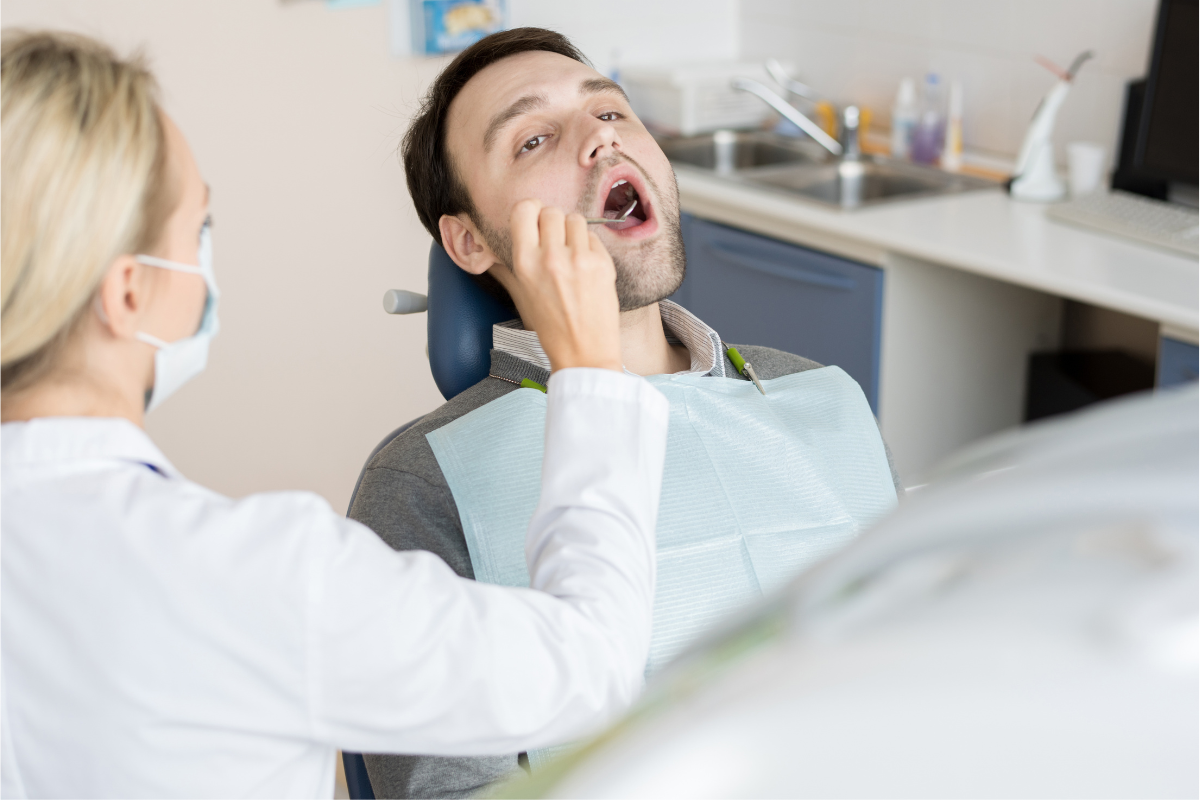
You might be watching the overhead light. Your dentist is already reading your mouth like a map.
Quick Answer
What dentists notice about your teeth in the first 10 seconds includes the color and surface of your enamel, signs of gum recession or inflammation, jaw alignment, dry mouth, visible tooth wear patterns, and early decay all before a single instrument is used. These initial clinical observations shape the entire examination that follows.
The Moment You Open Your Mouth, the Exam Has Already Begun
You sit down in the dental chair. The light swings overhead. You haven’t said a word yet and your dentist has already started noticing things.
That might feel unsettling. But it’s actually one of the most reassuring things about seeing a trained dental professional. A dentist’s eye picks up on subtle signals that most people walk past every day in the mirror without a second glance.
Understanding what professional dentists notice about your teeth in those first few seconds isn’t just fascinating it’s the kind of awareness that motivates people to take better care of their oral health before small problems become bigger, more expensive dental issues.
Why Most People Miss What Dentists See Immediately
Here’s the honest truth: most of what dentists catch in those opening seconds is invisible to patients not because it’s hidden, but because most people don’t know what to look for.
Enamel starts thinning gradually. Gums recede slowly. Grinding damage accumulates over months or years. None of these processes announce themselves with pain or sudden change. They’re quiet. Steady. And they only become obvious once they’ve reached a stage that requires real treatment.
This is precisely why that trained first glance matters so much. It catches the things you’d never catch yourself and in dentistry, early detection is always the difference between a simple fix and a complicated one.
7 Things Dentists Notice the Moment You Open Your Mouth
Here’s exactly what a dentist observes in those critical first seconds and what each finding can mean for your long-term oral health.
1. The Color and Translucency of Your Enamel
Healthy enamel carries a natural luster. When it starts thinning from acid erosion, dietary habits, or nighttime grinding it becomes dull, yellowish, or translucent at the edges. Dentists read this before asking a single question. It’s often the first signal of acid reflux, bruxism, or dietary patterns quietly damaging your teeth.
2. Gum Color and Texture
Healthy gums are firm and pale pink. Inflamed gums appear red, puffy, or shiny classic early signs of gingivitis that can escalate to periodontitis if left unaddressed. Gum recession where the gums pull away from the teeth is also visible immediately and can signal deeper bone loss beneath the surface.
3. Dry Mouth and Saliva Quality
This surprises most people. A dentist can tell within seconds if your mouth isn’t producing adequate saliva. Dry mouth (xerostomia) significantly increases decay risk, worsens bad breath, and creates conditions for oral infections. It’s frequently linked to medications, systemic health conditions, or dehydration.
4. Bite Alignment and Jaw Position
The way your teeth come together when you open and close is immediately visible to a trained eye. Misalignment overbite, underbite, crossbite, or jaw shift shows up in how you speak and where your teeth make contact. Left unaddressed, bite problems cause uneven wear, cracked teeth, and jaw pain over time.
5. Visible Decay and Surface Discoloration
Brown or dark spots on chewing surfaces or between teeth are visible decay. What looks like a simple shadow to you may be a cavity growing quietly for months. Dentists distinguish staining (from coffee, wine, or tobacco) from active tooth decay and that distinction drives the entire treatment discussion.
One of the challenges with tooth decay is that it often progresses without causing discomfort in its earliest stages. Many patients assume that if a tooth doesn’t hurt, it must be healthy. In reality, some of the most significant dental problems begin silently. In The Damage You Don’t Feel Yet: What Silent Tooth Decay Signs May Be Telling You, we discuss the subtle warning signs that dental professionals look for long before pain develops.
6. Signs of Grinding or Clenching (Bruxism)
The biting edges of teeth tell a detailed story. Flat, chipped, or unusually worn edges in a specific pattern are hallmarks of bruxism nighttime grinding that most patients never realize they do. Without treatment, bruxism fractures teeth, damages existing restorations, and leads to significant jaw discomfort.
7. Soft Tissue Abnormalities
The inside of your cheeks, your tongue, and the roof of your mouth receive equal attention. Dentists are trained to recognize unusual spots, persistent sores, white patches, or lesions that could indicate anything from minor irritation to early-stage oral cancer. Oral cancer screenings are built into comprehensive dental exams and they begin at that very first glance.
Quick Reference: What Dentists Notice and Why It Matters
| What Dentists Notice | What It Signals | What Happens If Ignored |
|---|---|---|
| Dull / translucent enamel | Acid erosion, grinding (bruxism) | Tooth fractures, nerve exposure |
| Red or puffy gums | Gingivitis / early gum disease | Periodontitis, bone loss |
| Flat / chipped tooth edges | Nighttime grinding (bruxism) | Cracked teeth, jaw pain |
| Dark or brown spots | Active tooth decay (cavity) | Nerve damage, tooth loss |
| Dry mouth | Dehydration, medication side effect | Rapid decay, infections |
| White patches / mouth sores | Irritation or early oral cancer | Delayed treatment = worse outcomes |
| Bite misalignment | Uneven wear, TMJ stress | Headaches, cracked teeth |
Did You Know?
The American Dental Association recommends professional dental exams at least twice a year not just for cleanings, but because many serious oral conditions are entirely painless in early stages. By the time you feel something, significant damage may already have occurred.
What Happens When These Signs Are Ignored
The risk of skipping dental visits isn’t just about losing a tooth. Each of the conditions a dentist notices in those first seconds has a trajectory and that trajectory gets worse the longer it’s left unattended.
Here’s what untreated oral health problems can lead to:
- Gum disease that starts as mild inflammation can progress to periodontitis destroying the bone that holds your teeth in place.
- Untreated tooth decay that reaches the nerve requires root canal treatment or extraction instead of a simple filling.
- Chronic dry mouth left unmanaged accelerates cavity formation at a rate far faster than typical.
- Bruxism without a night guard can fracture teeth, damage crowns, and lead to chronic TMJ pain.
- Oral cancer has a significantly better prognosis when caught in early stages but when missed, outcomes can be serious.
Not every dental problem begins with visible damage or severe pain. Sometimes patients simply notice that their teeth feel different—slightly sensitive, uncomfortable when biting, or just “not quite right” even though everything appears normal. In Why Your Teeth Suddenly Feel “Off” Even Though Everything Looks Fine, we explore the subtle changes that often signal developing dental concerns before they become obvious clinical problems.
Symptoms You Should Never Wait on Between Appointments
Call a San Antonio dentist if you notice:
- Bleeding gums when brushing or flossing not normal, even when it happens regularly
- Persistent bad breath that doesn’t improve with brushing
- Tooth sensitivity to hot, cold, or sweet that lingers more than a few seconds
- A tooth that has noticeably darkened compared to others
- Jaw pain, clicking, or soreness especially in the morning
- Any sore or patch inside your mouth that hasn’t healed in two weeks
What a Professional Dental Exam Actually Involves
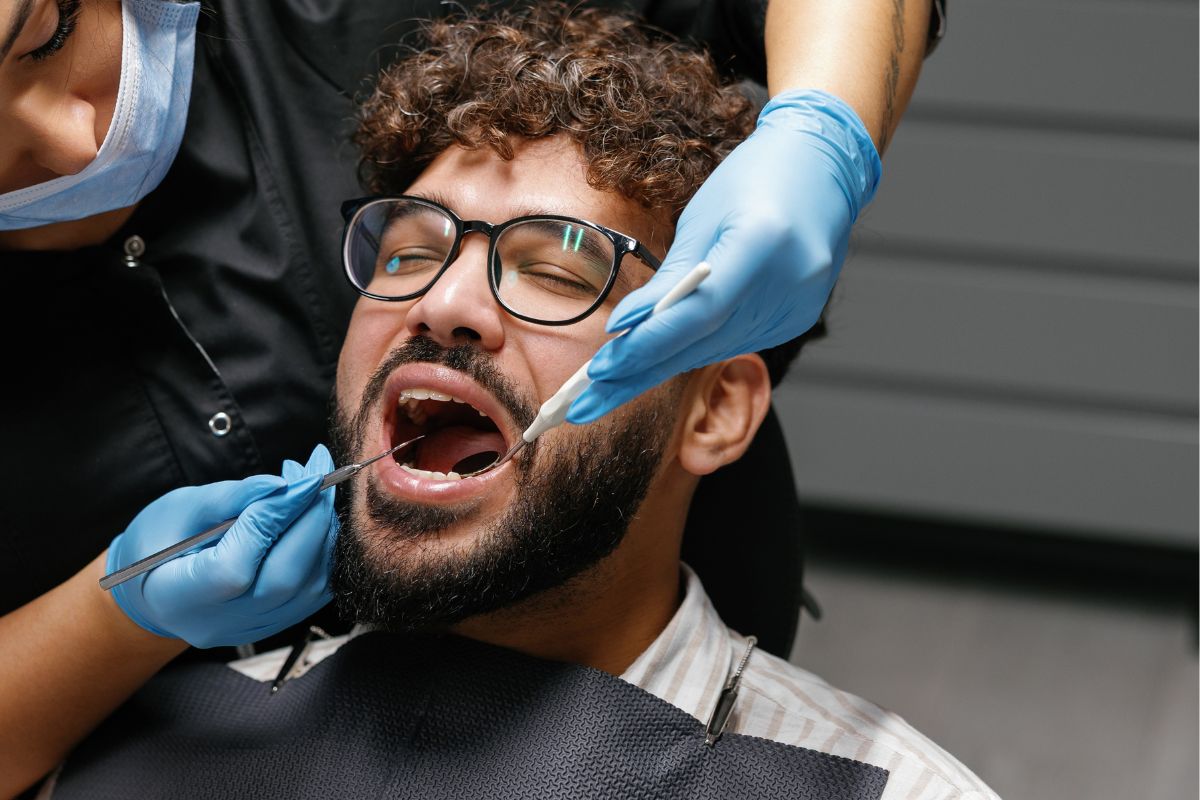
It’s worth being clear: that visual sweep in the first 10 seconds is observation, not diagnosis. What a dentist notices opens the conversation. The full examination which includes periodontal probing, X-rays when indicated, review of your dental history, and detailed charting is what produces an accurate, complete picture.
Those opening seconds allow your dentist to know exactly where to look first, which questions to ask, and which areas need the closest attention during the full exam. It’s clinical instinct built through years of training and it works in your favor.
A comprehensive exam also typically includes a professional cleaning by a dental hygienist, an oral cancer screening, and a personalized discussion of any concerns. For patients in San Antonio, our dental exam and cleaning service is designed to be thorough, clear, and completely judgment-free.
If it’s been a while since your last dental visit or you’ve noticed changes in your teeth, gums, or breath, now is a good time to schedule an appointment. Call us today to book your comprehensive dental exam and professional cleaning.
Your Smile Deserves a Fresh Set of Eyes
Whether it’s been 6 months or 6 years, the right time for a dental exam is right now. Our team in San Antonio is ready to give your oral health the attention it deserves no judgment, full transparency.
Book Your Exam at Z Dentist San Antonio.
Serving San Antonio and Surrounding Communities
Many people across San Antonio put off dental visits for the same reasons busy schedules, dental anxiety, or the assumption that if nothing hurts, nothing is wrong. But painlessness is one of the most misleading things about early-stage dental disease.
Cavities don’t hurt until they reach the nerve. Gum disease can quietly destroy bone for years with no discomfort. Oral cancer is often completely painless in its earliest, most treatable stages. The dentist who greets you isn’t just there for a cleaning they’re there to catch what you can’t see and what doesn’t hurt yet.
If your family is overdue for a visit, our San Antonio dental team is here to make that first step feel easy. We serve patients from across the San Antonio metro area and surrounding neighborhoods and we make new patients feel welcome from the very first appointment.
Frequently Asked Questions
These questions target People Also Ask queries and long-tail informational searches related to what dentists notice and oral health exams.
What do dentists look for first when they check your teeth?
Dentists typically begin with a rapid visual scan of the gums, enamel surface, bite alignment, and any obvious areas of decay or soft tissue changes. This clinical observation begins before any instruments are used and shapes the direction of the full examination that follows.
Can a dentist tell if you haven’t been brushing well just by looking?
Yes quite clearly in most cases. Plaque buildup, visible tartar deposits near the gumline, gum inflammation, and early cavities along the gumline are all visible signs of inconsistent oral hygiene. Your dentist can typically detect this within moments, and will address it without judgment.
Can dentists tell if you’re stressed from looking at your teeth?
Often, yes. Stress frequently shows up as bruxism (nighttime grinding), which leaves flat or chipped tooth edges and worn enamel. Cracked teeth, bite shifts, and even gum problems can all worsen under prolonged stress and experienced dentists learn to recognize these patterns.
What does tooth decay look like to a dentist?
Early tooth decay may appear as white chalky spots (demineralization), or as brown discolorations on enamel surfaces. More advanced decay presents as darker, softened areas or visible pits. Dentists distinguish active decay from surface staining through color, texture, and location on the tooth structure.
How often should I see a dentist in San Antonio for a check-up?
Most adults benefit from a professional dental exam and cleaning every six months. Patients with a history of gum disease, frequent cavities, or certain health conditions may be advised to visit every three to four months. A San Antonio dentist can recommend the right schedule based on your individual oral health needs.
Can a dentist tell if I have acid reflux from my teeth?
Yes. Chronic acid reflux causes a distinctive pattern of enamel erosion on the inner surfaces of the back teeth the surfaces most exposed to stomach acid over time. Dentists are trained to recognize this pattern and may ask about digestive health or refer you to a physician if they observe it.
What’s the difference between a dental cleaning and a dental exam?
A dental cleaning (prophylaxis) is performed by a hygienist and removes plaque, tartar buildup, and surface stains. A dental exam is the clinical evaluation performed by the dentist assessing your gums, bite, enamel health, existing restorations, and overall oral condition. Both are typically completed at the same appointment but serve distinct purposes.
Ready for a Thorough, Judgment-Free Dental Exam?
Patients across San Antonio trust Z Dentist for comprehensive care that catches problems early and explains everything clearly. New patients are always welcome. Schedule Your Appointment Today!
That first glance your dentist takes before the instruments, before the X-rays, before the formal exam even begins is one of the most valuable moments in your dental care. It reflects years of clinical training applied in seconds, entirely in service of your health.
What dentists notice in your teeth isn’t just about how they look. It’s about catching the slow, quiet processes enamel thinning, gum recession, early decay, bite damage before they become painful, expensive, or complicated.
If you’re in San Antonio and it’s been a while since a trained professional took that careful first look, the team at Z Dentist is ready when you are.