7010 W Loop 1604 N, Suite 205, San Antonio, Texas 78254



Yellowing Teeth: Why It Happens Even When You Brush and Floss Daily
Book Online


People always want to maintain a white smile, so it’s necessary to follow proper brushing and flossing techniques to keep their teeth clean. At times, despite these measures, people realize their teeth develop a yellow shade. If you are also confused as to why your teeth may be developing this shade, rest assured, you are not alone.
Yellowing of the teeth is not always related to poor oral hygiene; a myriad of factors, including diet, lifestyle, and even aging, may cause discolored teeth. This article will look at some of the reasons why your teeth may be yellow, along with solutions to ensure that your goal of a white smile is achieved.
Understanding Yellowing Teeth: Common Causes Beyond Brushing
Having yellow teeth is not simply a cosmetic problem; it may also reflect other circumstances. Brushing and flossing are important to maintain healthy teeth. They may, however, not completely eliminate discoloration.
If your tooth yellowing is chronic and home remedies aren’t eliminating it, professional teeth whitening in San Antonio, TX, can restore the brilliance of your smile. These are the typical reasons why your teeth may be yellow, even if your dental hygiene is consistent.
1. Role of Diet and Beverages
Some foods and drinks may also be causing tooth yellowing, particularly those known to stain easily. Coffee, tea, red wine, and sodas are top of that list. Even if you brush your teeth after every meal, some of them may still seep into the teeth and cause stains.
San Antonio residents who love their coffee and barbecue often notice their teeth yellowing. The darker and more acidic the food or beverage is, the more it stains.
2. The Natural Aging Process
As people grow older, their teeth become more susceptible to yellowing. This is because the outermost layer of the teeth wears away, revealing the yellow-colored dentin.
This might start in your 30s and go on as you age. This is why age can also contribute to yellow teeth. Even if you practice the best oral hygiene possible, this will affect everyone.
3. Tobacco Use
Smoking or chewing tobacco is also a major cause of yellowed teeth. Tar and nicotine found in tobacco products, as well as chemicals produced when smoke mixes with the air during exhalation, can cause discoloration of teeth.
Teeth get a permanent yellow or brown stain as a result of the deposition of these chemicals on your teeth over time. You cannot remove these particles with regular flossing or tooth brushing.
4. Antibiotics and Medications
Some drugs, like tetracyclines, also result in yellowing of the teeth, particularly if consumed in childhood. In cases wherein you are prescribed some antibiotics, you may find a change in your tooth color in the future as well. However, you should consult your healthcare provider in case you are concerned about the side effects of your prescribed drugs regarding your dental health.
5. Genetics and Enamel Thickness
Just like any other physical attribute, it is an aspect that is determined in part by your genes, and the color of the teeth is no exception. You may notice that people with thinner enamel have yellowed teeth because the dentin is more exposed. This is something you cannot do anything about, though it is good to understand it to help you deal with it appropriately.
6. Poor Oral Hygiene Habits
Despite this seeming paradox, brushing and flossing are still necessary. But if you are not brushing your teeth for the recommended 2 minutes twice a day, or if you are not brushing the areas where plaque buildup is most prevalent, this can cause tooth yellowing.
Not taking good care of your teeth gives way to the buildup of plaque and tartar on your teeth, causing possible discoloration of your teeth. Even with brushing, areas that are not reached can lead to staining on your teeth.
How Does Teeth Whitening Change Yellowish Teeth
If you have problems with yellowed teeth, you no longer have to resign yourself to the condition. There exist several methods for resolving the problem. Although over-the-counter whitening toothpaste works to some degree, it does not necessarily yield the best results compared to other teeth-whitening agents. Here are the details of the most popular whitening procedures:
1. Professional Teeth Whitening with a Cosmetic Dentist
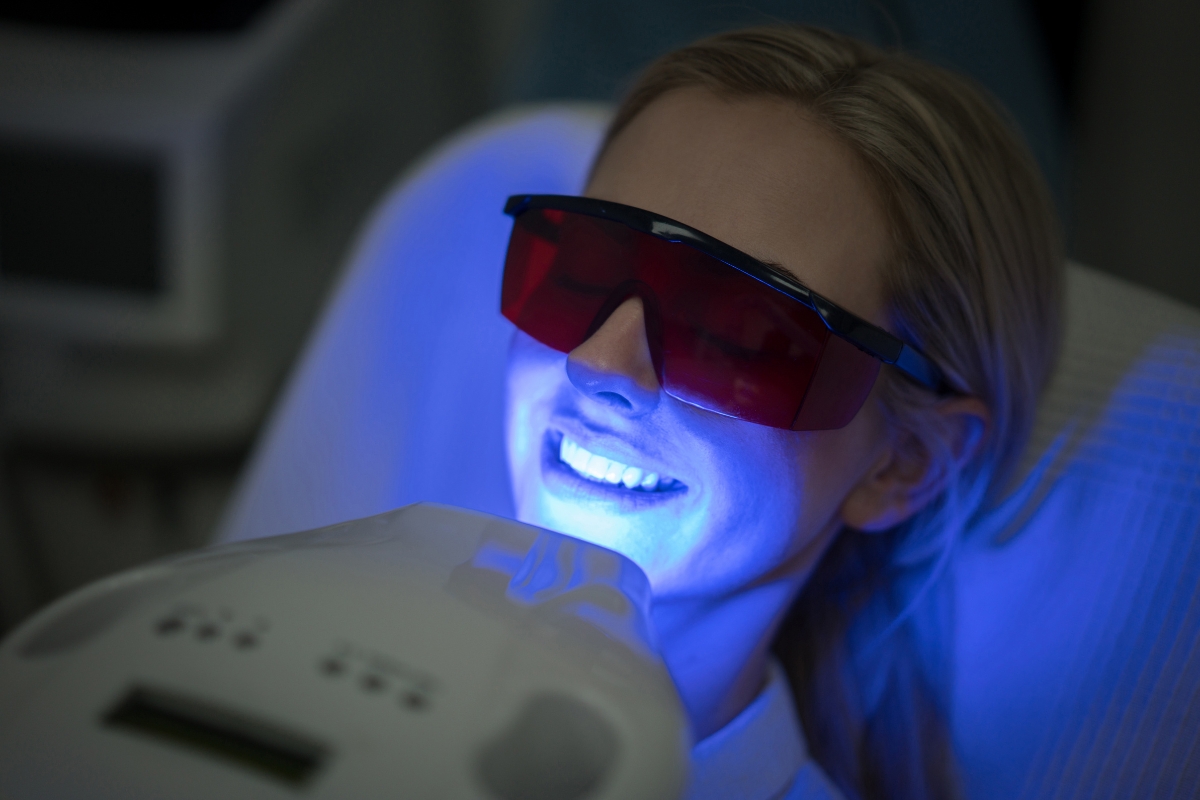
The most effective and rapid results can be achieved with professional whitening procedures performed by a cosmetic dentist. This comprises higher-concentration whitening agents that can penetrate stains and become effective within a single visit.
2. At-Home Teeth Whitening Kits
Another alternative for whitening teeth is using over-the-counter teeth whitening kits. These kits may take longer than professional teeth whitening treatments and might not be as effective. Some people may develop sensitivities when using whitening kits.
3. Whitening Toothpastes & Rinses
Whitening toothpaste comes in a variety of forms and brands. These toothpastes may contain mild abrasives or chemicals that help remove stains from teeth. While they may be effective at removing some stains, they are ineffective against set-in yellowish stains caused by age, medicinal use, and/or genetic predisposition.
Restore Your Smile with Professional Teeth Whitening
The discoloration may result from several factors, such as aging, an improper diet, tobacco use, hereditary factors, or medications. Although regular cleaning and flossing are necessary for good oral health, they may not be effective at minimizing discoloration.
If you find yourself dealing with yellowed teeth, there’s a very safe and effective way to address this issue: professional teeth whitening in San Antonio. At Z Dentist, our team is ready to help you regain your bright, confident smile. Contact us today to find out more about our services!
FAQs
1. Are yellow teeth genetic?
Yes, genetics can play a role in your tooth color. Some people naturally have thinner enamel, which can make the yellowish dentin more visible. However, lifestyle factors can also contribute to yellowing teeth.
2. Can smoking cause yellow teeth?
Yes, smoking is a major cause of yellow teeth. The nicotine and tar in tobacco products stick to your teeth and cause staining, even with regular brushing. Quitting smoking can significantly reduce further yellowing.
3. Can antibiotics cause yellow teeth?
Certain antibiotics, particularly tetracycline, can lead to yellowing or darkening of teeth, especially when taken during childhood. If you notice this issue, it’s worth discussing with your doctor or dentist.
4. What is the best remedy for yellowish teeth?
The best remedy depends on the cause of your yellowing teeth. Professional teeth whitening, performed by a cosmetic dentist, is the most effective way to remove deep stains. Regular dental cleanings can also help reduce surface stains caused by food and drinks.
5. Why do my teeth yellow with age?
As you age, your enamel naturally wears down, making the underlying yellow dentin more visible. This process is a natural part of aging, but it can be managed with regular dental visits and professional whitening treatments.