7010 W Loop 1604 N, Suite 205, San Antonio, Texas 78254



Teeth Whitening Results in San Antonio, TX
Book Online


You invested time and money into a brighter smile. Now, just weeks later, your teeth look dull again. If you are wondering why your teeth whitening results fade fast and how to extend them in San Antonio, you are not alone. Many patients ask Dr. Pingting Zhou this exact question at Z Dentist San Antonio. The good news is that with the right habits, you can keep your smile bright much longer than you think.
How Long Do Teeth Whitening Results Actually Last?
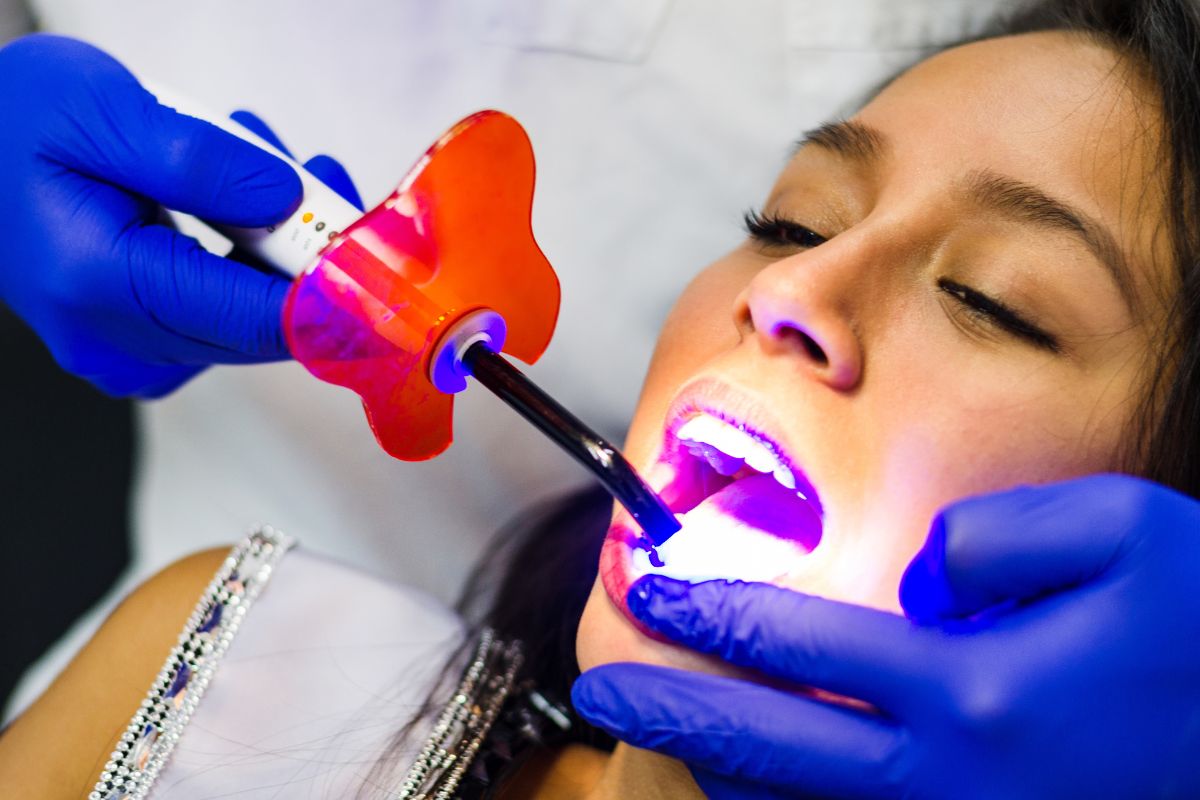
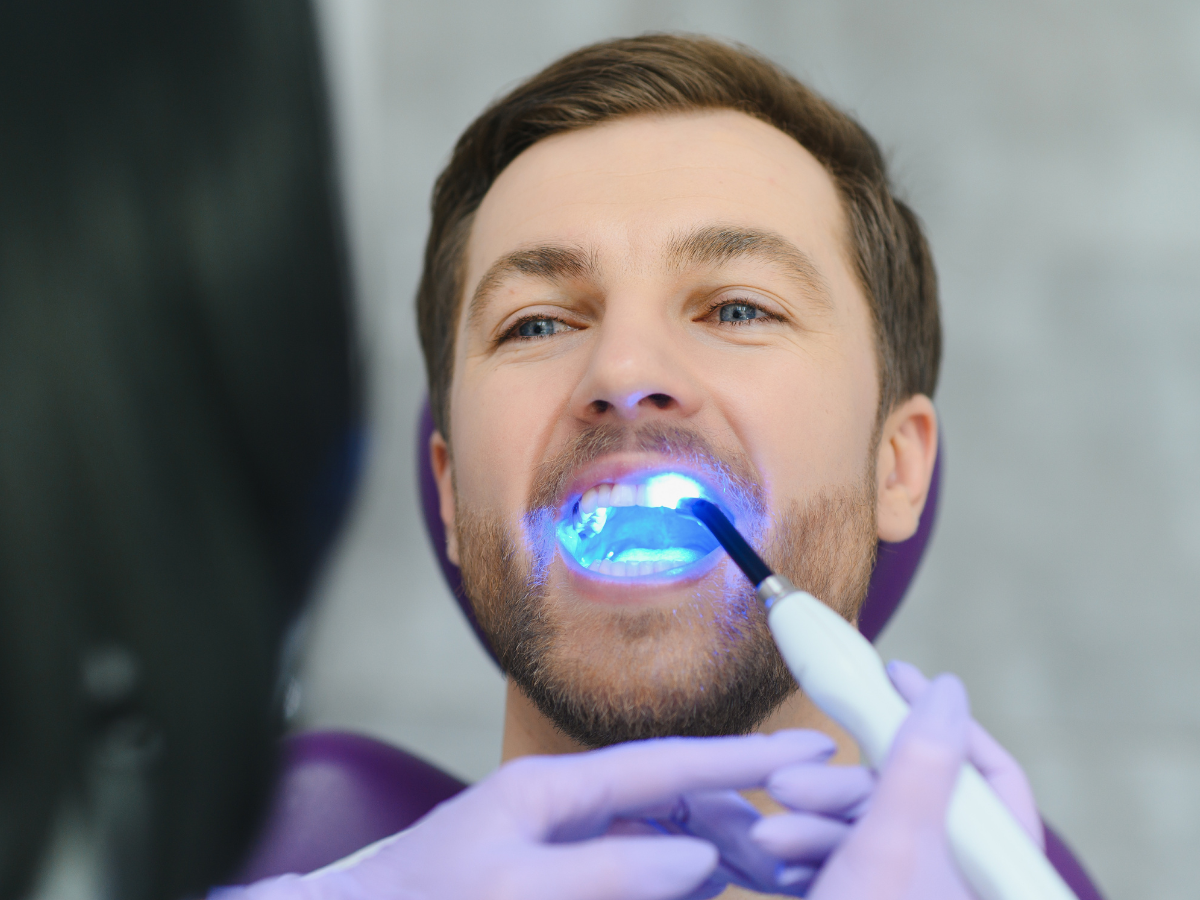
Most professional whitening treatments produce results that last between six months and two years. The range is wide because longevity depends heavily on your lifestyle. At-home whitening kits tend to fade faster than professional treatments. In-office treatments, like those offered at Z Dentist San Antonio, penetrate enamel more deeply and deliver longer-lasting results.
Your enamel has tiny pores. Whitening agents open those pores to lift stains. After treatment, those pores remain slightly open for a day or two. During that window, your teeth absorb new stains very easily. What you eat and drink immediately after whitening matters more than most people realize.
Age also plays a role. As enamel thins over time, the yellowish dentin layer beneath shows through more. This makes maintaining whiteness harder as you get older. Regular professional care helps offset this natural process.
The Biggest Habits That Fade Your Whitening Results in San Antonio
Certain everyday habits are the top reasons why teeth whitening results fade fast for San Antonio patients. Coffee is the most common culprit. San Antonio residents often enjoy a morning cup, but coffee contains tannins that bond directly to enamel. Even one cup a day can noticeably dull your results within weeks.
Red wine is another major offender. It combines tannins, natural dyes, and acidity. That trio creates a perfect storm for staining. White wine is slightly less harmful visually, but its acidity still weakens enamel and makes it more porous.
Smoking and tobacco use cause some of the fastest fading of all. Nicotine and tar seep into enamel pores and create deep yellow or brown stains. No whitening treatment can compete with daily tobacco use. Quitting tobacco is the single most impactful step a smoker can take for their smile.
- Coffee and tea: Tannins cling to enamel and cause daily buildup
- Red wine: Acidic and pigment-rich — a double threat to whiteness
- Smoking or tobacco: Creates deep, stubborn stains that return quickly
- Dark sodas: High acidity plus dark coloring accelerates staining
- Soy sauce and balsamic vinegar: Highly pigmented foods that stain with repeated use
Practical Tips to Extend Your Whitening Results
You do not have to give up your morning coffee to keep a bright smile. Small adjustments make a big difference. Drinking coffee or wine through a straw reduces direct contact with your teeth. It sounds simple, but it genuinely slows the staining process.
Rinsing your mouth with water right after consuming staining foods or drinks helps, too. You do not need to brush immediately. In fact, brushing right after acidic drinks can damage softened enamel. A water rinse is enough to dilute the pigments before they set.
Using a whitening toothpaste a few times per week helps maintain surface brightness. Do not use it every day, as some formulas are abrasive. Look for products with the ADA Seal of Acceptance. Ask Dr. Zhou which brand she recommends for your specific enamel type.
- Drink staining beverages through a straw when possible
- Rinse with water immediately after staining foods or drinks
- Use a whitening toothpaste two to three times per week
- Wait 48 hours after whitening before consuming dark foods
- Schedule touch-up whitening every six to twelve months
- Brush twice daily and floss once daily without exception
Regular Dental Cleanings And Exams are one of the most effective maintenance tools available. Professional cleanings remove surface stains that home brushing cannot reach. Combining cleanings with periodic whitening touch-ups is the most reliable long-term strategy.
When to Schedule a Whitening Touch-Up With Your San Antonio Dentist
Touch-up timing depends on your lifestyle and how quickly your results fade. If you drink coffee daily, every six months is a reasonable schedule. If you are more careful with staining foods, once a year may be enough. Dr. Zhou can help you find the right cadence during your regular visit.
There are clear signs that it is time for a touch-up. If your teeth look noticeably yellower in photos compared to right after treatment, that is a signal. If you notice your smile looks dull in bright lighting, that is another indicator. Do not wait until the staining is severe — touch-ups work best on mild fading.
Some patients wonder if over-the-counter strips are enough for maintenance. They can help in between professional sessions. However, they are less effective on deeper staining and cannot match the precision of professional trays. For patients who want consistent, reliable results, professional care remains the gold standard.
It is also worth noting that certain medications and health conditions affect enamel over time. If you notice unusually fast fading, discuss it with Dr. Zhou. There may be an underlying factor worth addressing.
How Z Dentist San Antonio Can Help You Maintain a Lasting Bright Smile
At Z Dentist San Antonio, Dr. Pingting Zhou takes a personalized approach to every whitening treatment. She evaluates your enamel health, lifestyle habits, and cosmetic goals before recommending a plan. This means your whitening results are optimized from the very first session.
The practice offers both in-office and take-home professional whitening options. Take-home trays are custom-fitted to your teeth, which makes them far more effective than generic strips. In-office treatments deliver faster, more dramatic results for patients with a specific event or deadline in mind.
Whitening is most effective when your teeth are clean and free of buildup. That is why scheduling a cleaning before your whitening appointment is always recommended. A clean surface allows the whitening agent to work evenly and penetrate more effectively.
Patients at Z Dentist San Antonio also have access to a full range of cosmetic and restorative services. From veneers to Invisalign, the practice supports every aspect of your smile health. Whether you are starting your whitening journey or looking to maintain existing results, the team is ready to help. Book Now to schedule your appointment with our team.
Frequently Asked Questions
How long do professional teeth whitening results last in San Antonio?
Professional teeth whitening results typically last between six months and two years. The exact duration depends on your diet, oral hygiene habits, and whether you use tobacco. Patients who avoid heavy staining foods and schedule regular touch-ups tend to enjoy longer-lasting results.
Does coffee really cause teeth whitening results to fade faster?
Yes, coffee is one of the top causes of whitening fade. It contains tannins that bond to enamel and create cumulative staining over time. Drinking coffee through a straw and rinsing with water afterward can significantly slow this process.
How often should I get a whitening touch-up?
Most patients benefit from a touch-up every six to twelve months. If you consume staining foods or drinks daily, every six months is a good starting point. Dr. Pingting Zhou can recommend a personalized schedule based on how your results are holding up.
Is whitening toothpaste enough to maintain my results?
Whitening toothpaste helps maintain surface brightness but cannot replace professional treatments. It is best used two to three times per week as a supplement to your regular routine. Overuse of abrasive whitening pastes can wear down enamel over time.
Can I whiten my teeth if I have crowns or veneers?
Whitening agents do not change the color of crowns, veneers, or bonding materials. If you have restorations, whitening your natural teeth could create a mismatch in shade. Speak with Dr. Zhou before starting any whitening treatment to get a plan that works for your full smile.