7010 W Loop 1604 N, Suite 205, San Antonio, Texas 78254



Teeth Whitening Candidacy in San Antonio, TX
Book Online


Many San Antonio patients ask the same question before starting whitening treatment: will your teeth actually whiten? The honest answer is — it depends. Not every smile responds the same way to whitening products. Understanding your candidacy in San Antonio can save you time, money, and frustration before you begin.
Dr. Pingting Zhou and the team at Z Dentist San Antonio help patients understand exactly what whitening can and cannot do. This guide explains the key factors that determine your results. Read through each section to see where you might fall on the candidacy spectrum.
Why Teeth Whitening Works Differently for Everyone
Whitening treatments use peroxide-based agents to break apart stain molecules. These agents work on natural tooth enamel. They do not change the color of dental restorations like crowns, veneers, or bonding.
Your enamel thickness also plays a role. Thin or worn enamel absorbs whitening gel differently. This can lead to uneven results or increased sensitivity during treatment.
The type of stain matters most. Extrinsic stains sit on the surface of your enamel. These come from coffee, tea, wine, and tobacco. They typically respond very well to whitening treatment.
Intrinsic stains are different. They live inside the tooth structure itself. These are harder — and sometimes impossible — to remove with standard whitening products.
Who Gets the Best Whitening Results in San Antonio
You are likely a strong whitening candidate if your stains are surface-level. Good candidates generally share these characteristics:
- Healthy gums with no active disease or inflammation
- Natural teeth with minimal restorations in visible areas
- Yellowish or light-brown surface stains from food and drinks
- No significant enamel erosion or thinning
- A history of regular Dental Cleanings And Exams to maintain oral health
Patients who keep up with routine cleanings tend to see the best whitening outcomes. A clean surface allows whitening agents to work more evenly. If you have not had a recent cleaning, scheduling one before whitening is strongly recommended.
Age also plays a minor role. Younger patients often have stronger enamel. Older patients may have more intrinsic discoloration from years of exposure. However, many older patients still achieve noticeable improvements.
Who May Not Respond Well — Crowns, Veneers, and Restorations
This is where many patients are surprised. Whitening gel cannot lighten artificial materials. If you have dental crowns, veneers, or bonded teeth in your smile zone, whitening will not change their shade.
Your natural teeth may whiten around those restorations. This creates a visible mismatch in color. For this reason, patients with multiple visible restorations may need a different cosmetic approach.
Dr. Zhou often recommends discussing your full smile picture before committing to whitening. Sometimes replacing or updating restorations after whitening makes more sense. A thorough exam helps map out the right sequence of treatment.
Patients interested in a United Health Care Dentist provider may want to explore their plan benefits before scheduling cosmetic work. Knowing what is covered helps you plan smarter.
Intrinsic Stains and Medication-Induced Discoloration
Some stains come from inside the tooth and cannot be whitened away. These are called intrinsic stains. Common causes include:
- Tetracycline antibiotic use during tooth development
- Excessive fluoride exposure in childhood, known as fluorosis
- Trauma to a tooth that caused internal bleeding or nerve damage
- Certain medications taken long-term that affect tooth color
- Genetic factors that affect enamel or dentin color
Tetracycline staining is one of the most challenging types to treat. It creates gray or brown banding across the teeth. Standard whitening products rarely produce meaningful results in these cases.
Fluorosis creates white spots or streaks on the enamel surface. Interestingly, whitening can sometimes make these spots more noticeable. A proper candidacy evaluation helps avoid making existing discoloration worse.
For intrinsic staining, Dr. Zhou may suggest porcelain veneers or bonding instead. These options cover the discoloration entirely. They also allow precise shade matching for a natural-looking result.
Sensitivity, Gum Health, and Other Candidacy Factors
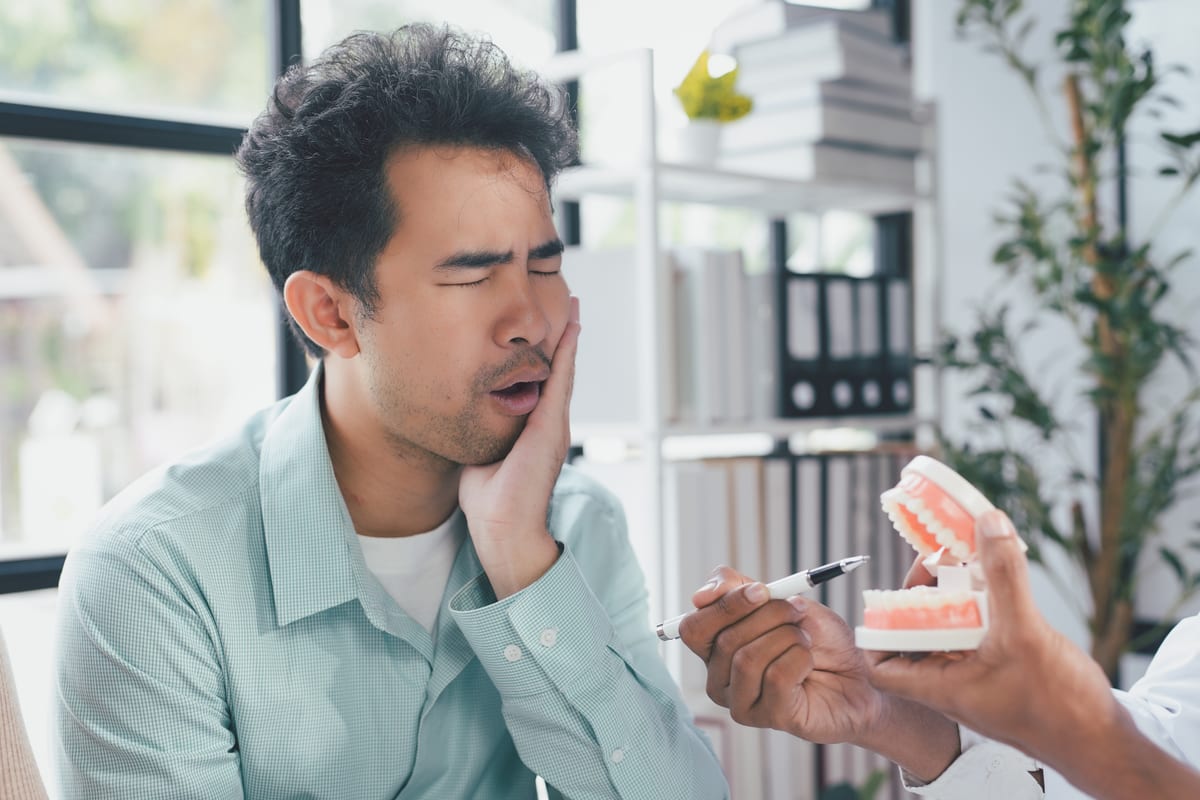
Tooth sensitivity is an important factor before starting whitening. Patients with existing sensitivity may experience increased discomfort during treatment. This does not mean whitening is off the table — it means your approach needs to be adjusted.
Desensitizing toothpaste and lower-concentration formulas can help. Your dentist may recommend a slower whitening schedule. This reduces the likelihood of uncomfortable reactions without sacrificing results.
Active gum disease is a clear contraindication for whitening. Inflamed or bleeding gums allow whitening gel to penetrate the soft tissue. This causes irritation and can worsen existing gum problems.
Treating gum issues first is always the right move. Once your gum health is stable, whitening becomes a safer and more effective option. Your candidacy may improve significantly after a few months of proper gum care.
What to Expect During a Whitening Candidacy Evaluation at Z Dentist San Antonio
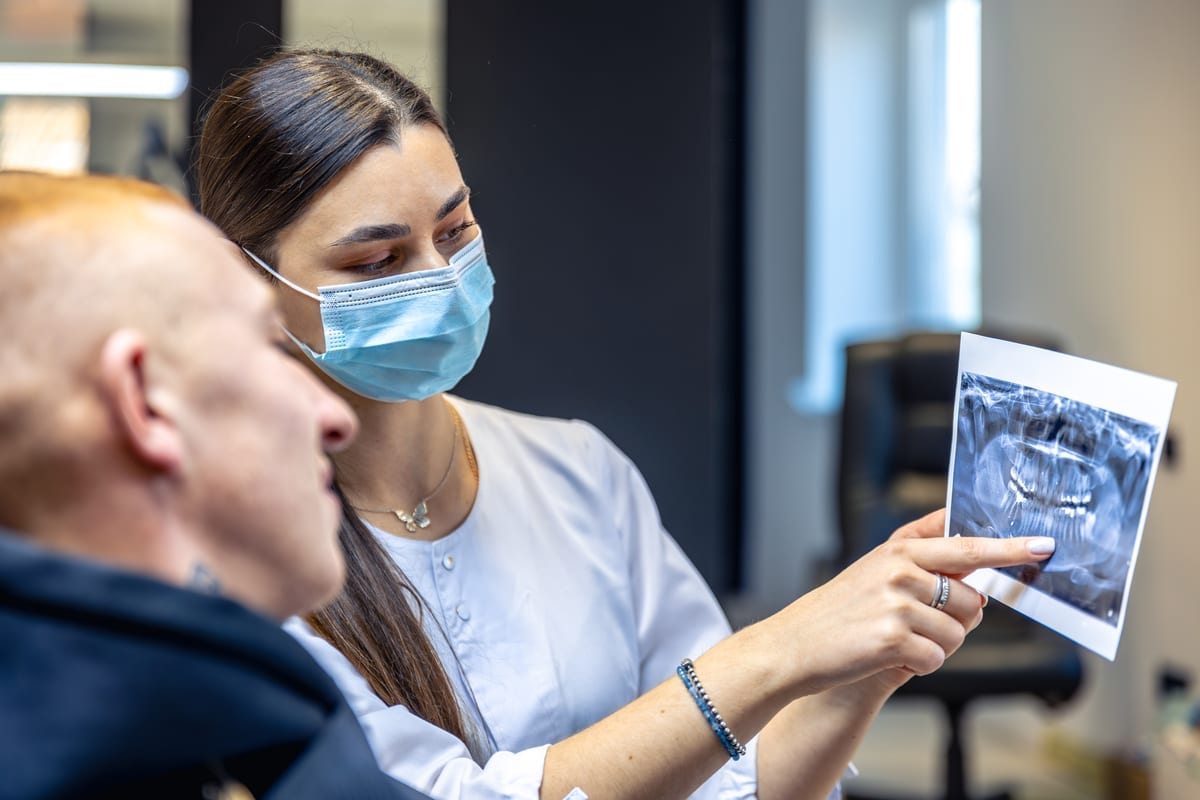
Dr. Pingting Zhou takes a thorough approach to every whitening consultation. The evaluation includes a visual exam of your teeth and gums. X-rays may be reviewed to assess internal tooth structure.
She will identify the type of staining present and note any existing restorations. From there, she outlines realistic expectations for your specific case. Some patients are ready to start immediately. Others benefit from preparatory steps first.
The goal is never to oversell a treatment. It is to give you an honest picture of what whitening will actually do for your smile. That transparency is what sets a great dental experience apart.
Conclusion
Finding out whether you are a good whitening candidate is the most important first step. Not every stain responds to bleaching, and not every smile is ready for whitening right away. Understanding your specific situation helps you make a smarter, more confident decision. Book Now to schedule your appointment with our team.
Frequently Asked Questions
Will teeth whitening work on crowns or veneers?
No. Whitening agents only affect natural tooth enamel. Crowns, veneers, and bonded restorations will not change color during whitening treatment. If you have visible restorations, Dr. Zhou can discuss alternative options to achieve a more uniform smile.
Can whitening make tooth sensitivity worse?
It can in some cases. Patients with existing sensitivity may experience temporary discomfort during whitening. Dr. Zhou can recommend desensitizing protocols and lower-concentration formulas to minimize this effect safely.
What causes intrinsic tooth staining?
Intrinsic stains come from inside the tooth structure. Common causes include tetracycline antibiotic use during childhood, fluorosis, tooth trauma, and certain long-term medications. These stains typically do not respond well to standard whitening treatments.
How many shades lighter can I realistically expect?
Results vary based on your stain type and starting shade. Many patients with surface stains see improvements of four to eight shades. Patients with deeper or intrinsic staining may see little to no change from whitening alone.
Do I need a cleaning before whitening my teeth?
Yes, in most cases. A professional cleaning removes surface plaque and tartar that can block whitening gel from reaching the enamel evenly. Starting with clean teeth leads to more consistent and effective whitening results.