7010 W Loop 1604 N, Suite 205, San Antonio, Texas 78254



Invisalign vs. Braces: What Most Adults Don’t Realize Until It’s Too Late
Book Online

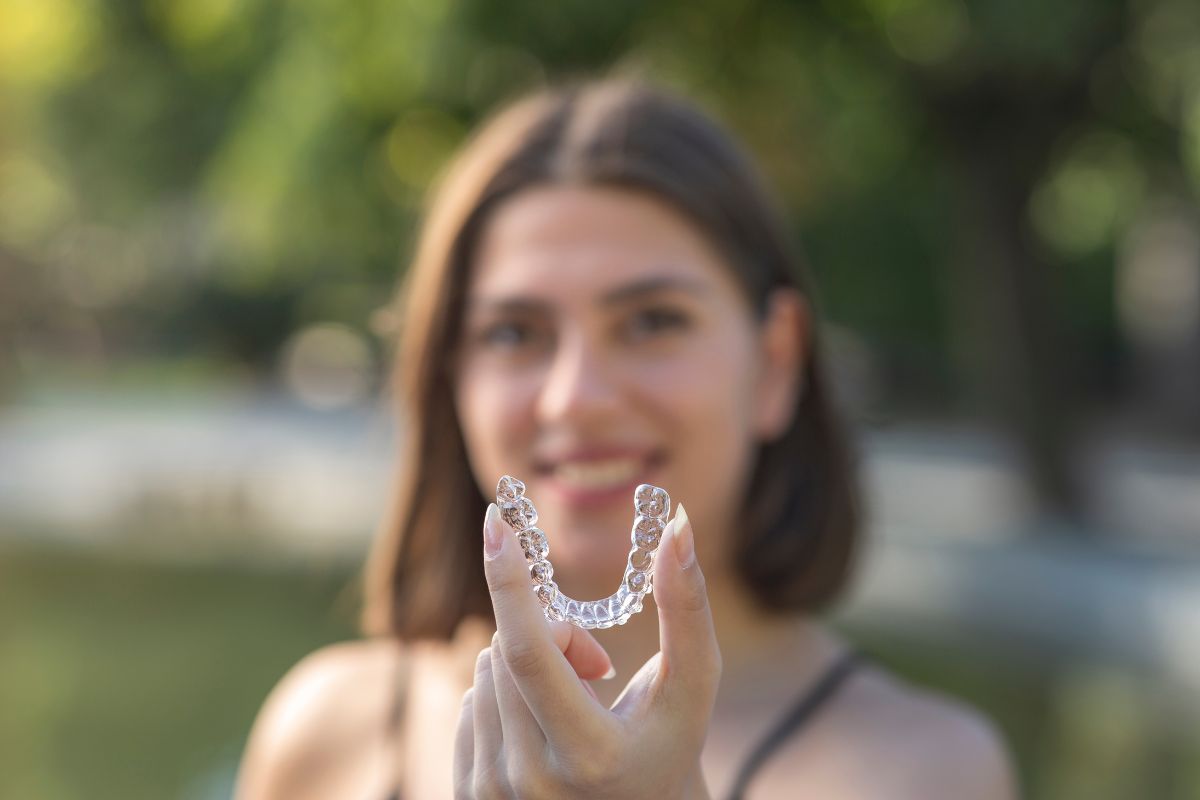
You’re at a work dinner in the Pearl District, laughing at something a client just said, and you catch yourself doing it again – smiling with your mouth closed. Not because you don’t want to laugh. Because somewhere along the way, you stopped trusting your own smile.
If that sounds familiar, you’re not alone. A growing number of adults searching for Invisalign in San Antonio are finally addressing crowding, spacing, or bite alignment they’ve lived with for years—and almost all of them land on the same fork in the road: Invisalign or braces. The choice looks simple from the outside. It isn’t. The option that fits your coworker’s life might make yours harder for the next year and a half.
The Decision Most Adults Get Wrong
Most people research Invisalign vs braces the way they’d research a phone upgrade – price, reviews, maybe a friend’s recommendation. That approach misses the part that actually determines whether treatment succeeds: how the option fits into daily life.
Two Very Different Daily Commitments
Braces are fixed. Once they’re on, there’s no decision-making involved – they simply work in the background every hour of every day. Invisalign is the opposite: it’s removable, discreet, and comfortable, but every one of those advantages depends on wearing the aligners as directed. An adult who travels frequently, eats out for work, or has an inconsistent schedule may love the idea of Invisalign but struggle with the discipline it quietly requires.
Why This Choice Follows You Into Everyday Life
Orthodontic treatment isn’t something that happens and then disappears until the results show up. It shapes how a person eats, speaks, and shows up in the room for over a year.
At Work
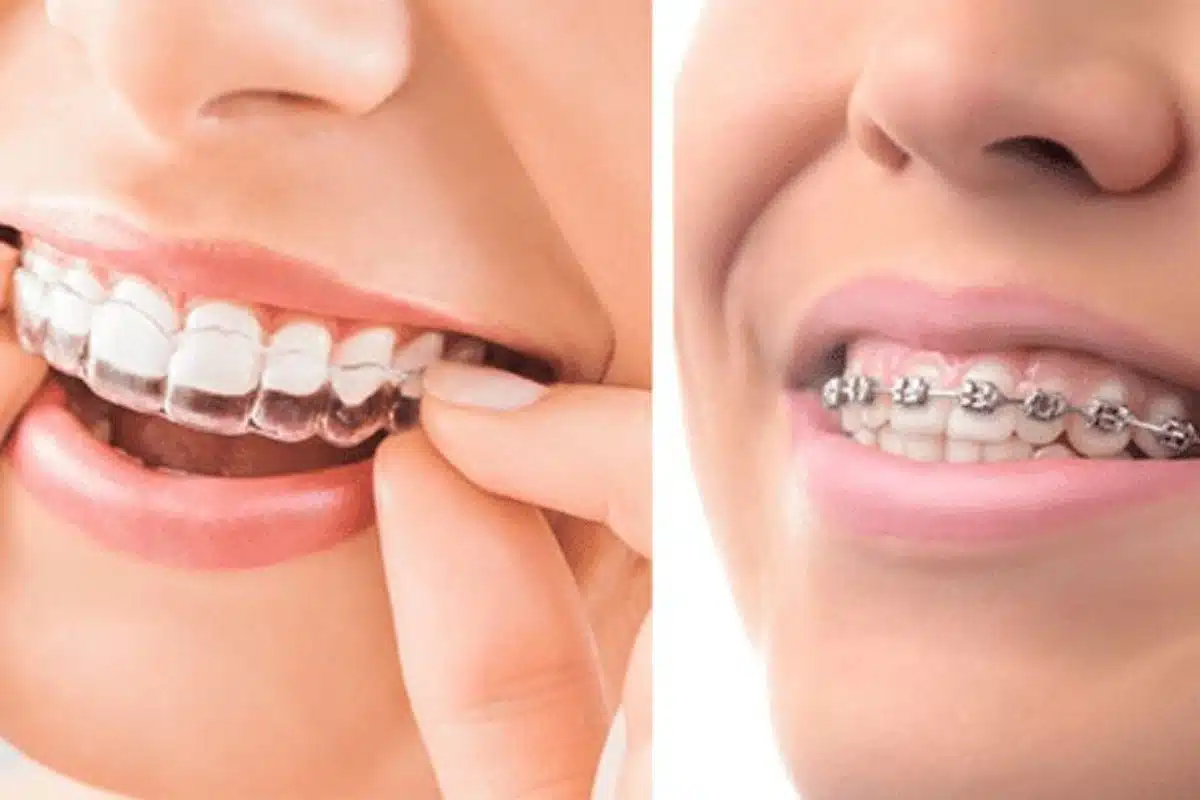
Client meetings, presentations, and interviews don’t pause for treatment. Invisalign’s low visibility appeals to professionals who don’t want their smile to be part of the conversation. Braces, meanwhile, are far more visible – which some adults genuinely don’t mind, and others find themselves self-conscious about for months.
At the Table
Braces come with real dietary restrictions: sticky caramel, crunchy chips, corn on the cob, and anything that could bend a wire are off the table. Invisalign avoids this entirely – aligners come out before every meal – but that also means remembering to put them back in immediately after, every single time, for months on end.
In the Mirror, Every Morning
Oral hygiene routines change with either option. Braces require extra tools to clean around brackets and wires and to protect enamel from decay in hard-to-reach spots. Invisalign allows for a normal brushing and flossing routine, since the aligners are removed first, one reason it tends to be easier on gum health for patients who are diligent about wear time.
What Happens When You Choose the Wrong Fit
Choosing the option that doesn’t match a person’s lifestyle rarely causes treatment to fail outright – it just makes it harder, longer, or less comfortable than it needed to be.
- Inconsistent Invisalign wear: Falling below the recommended 20–22 hours a day is the most common reason treatment runs longer than planned, since teeth can begin shifting back between trays.
- Neglected hygiene with braces: Skipping the extra cleaning steps around brackets raises the risk of enamel demineralization, tooth decay, and gum disease over a multi-month treatment window.
- Underestimating complexity: Some bite alignment issues are more involved than they appear, and choosing based on appearance alone — rather than what a dentist actually recommends — can mean restarting or extending care.
- Ignoring restorative work already in place: Adults with existing dental crowns or restorative dentistry need a treatment plan that accounts for that work, not a one-size-fits-all approach.
| Did You Know? Adults now make up a significant share of all orthodontic patients nationally. Bite alignment issues don’t resolve on their own with age — in fact, minor shifting tends to continue gradually throughout adulthood, which is part of why more adults are addressing it now rather than later. |
How San Antonio Dentists Help You Choose the Right Option
There’s no universal answer to Invisalign vs braces — the right choice depends on the complexity of the bite, existing restorative dentistry, lifestyle, and how much day-to-day discipline a patient wants to take on. A proper evaluation looks at tooth and jaw positioning, oral health history, and realistic expectations for treatment time before recommending either path.
| Factor | Invisalign | Traditional Braces |
|---|---|---|
| Visibility | Clear, low visibility | Visible metal or ceramic brackets |
| Daily Discipline | Requires 20–22 hrs/day of wear — removable, so consistency is on you | Fixed in place — no daily compliance required |
| Diet Restrictions | Remove before eating — no food restrictions | Sticky, hard, and chewy foods restricted |
| Oral Hygiene | Brush and floss normally after removing aligners | Requires extra tools around brackets and wires |
| Comfort | Smooth plastic, mild pressure with each new tray | Brackets and wires can irritate cheeks and gums |
| Best Fit For | Mild-to-moderate bite alignment issues, motivated adults | Complex bite alignment or spacing cases |
Signs Invisalign May Fit Your Lifestyle
- You want your treatment to stay as low-visibility as possible
- You’re confident you can commit to 20+ hours of daily wear
- Your case involves mild-to-moderate crowding or spacing
- You’d rather avoid food restrictions during treatment
Think Invisalign may be the better fit for your lifestyle? Before you decide, learn about the everyday advantages beyond appearance in our guide, “The Benefits Of Invisalign: Why It’s More than Just A Clear Alternative To Braces?“
Signs Traditional Braces May Serve You Better
- Your bite alignment involves more complex movement
- You’d prefer a fixed option with no daily removal required
- You’ve had inconsistent follow-through with removable devices before
- Your dentist identifies restorative considerations that favor braces
Getting the Right Guidance in San Antonio
Choosing between Invisalign and braces isn’t a decision to make from a search results page alone. Z Dentist San Antonio works with adult patients across the city to evaluate bite alignment, oral health, and lifestyle before recommending a path — the goal is a plan that actually gets worn through, not just started.
Curious why so many working professionals are moving away from traditional braces? Read “Why More Adults Are Choosing Invisible Braces Instead of Metal in 2026“ to explore the lifestyle and confidence factors influencing today’s treatment choices.
Meet Your Dentist

Dr. Z and Dr. Mo work closely with adults who are deciding between Invisalign and traditional braces, helping each patient understand which option fits their bite, lifestyle, and long-term goals. Rather than recommending the same treatment for everyone, they take time to evaluate bite alignment, oral health, daily routines, and cosmetic preferences before creating a personalized plan. Their focus is on making sure patients feel informed and confident about their decision from the very first consultation. Call us to talk to our professional!
⭐⭐⭐⭐⭐ Alyson Cervantes
This office truly cares for the patient! Everything was explained in detail, and all services were completed with care and caution towards the patient. I highly recommend this office to the nearby community.
Ready to Stop Guessing and Get a Real Answer?
Z Dentist San Antonio offers personalized consultations to help you choose between Invisalign and braces with confidence based on your bite, not the internet. Book your consultation now!
Frequently Asked Questions
Is Invisalign as effective as braces for adults?
For mild-to-moderate bite alignment and spacing issues, Invisalign is often just as effective as braces. More complex cases involving significant tooth or jaw movement may still respond better to traditional braces — a dentist can confirm which category a specific bite falls into.
How long does Invisalign take compared to braces for adults?
Adult Invisalign treatment commonly runs 12 to 18 months, while braces can take a similar range depending on complexity. The bigger factor is often compliance: aligners only work while they’re actually being worn.
Can I switch from braces to Invisalign partway through treatment?
In some cases, yes, especially once major tooth movement is complete and only minor refinement remains. This decision depends on the individual bite and should be evaluated in person.
Does Invisalign hurt less than braces?
Most adults report Invisalign feels like pressure rather than the poking or rubbing sometimes caused by brackets and wires. Both options can cause mild soreness for a few days after a new tray or adjustment.
Will Invisalign work if I have a demanding job or travel often?
Invisalign’s removability makes it popular with professionals who travel or attend frequent meetings, since aligners can be taken out for presentations or meals. The tradeoff is that travel schedules make it easier to fall behind on wear time, which can extend treatment.
Is Invisalign more expensive than braces?
Cost varies by case complexity, treatment length, and insurance coverage rather than by brand alone. A consultation is the most reliable way to get an accurate cost comparison for a specific bite.
Can adults with gum disease or dental crowns still get Invisalign or braces?
It depends on the condition of the gums and any restorative work already in place, such as crowns. Active gum disease typically needs to be addressed first, since orthodontic movement puts additional pressure on the supporting tissue.
What happens if I don’t wear my Invisalign aligners enough?
Inconsistent wear is the most common reason Invisalign treatment runs longer than planned. Teeth can begin shifting back between trays, which sometimes means an aligner no longer fits correctly and the timeline has to be adjusted.