7010 W Loop 1604 N, Suite 205, San Antonio, Texas 78254



Dental Cleanings Every 3 Months in Leon Valley, TX
Book Online

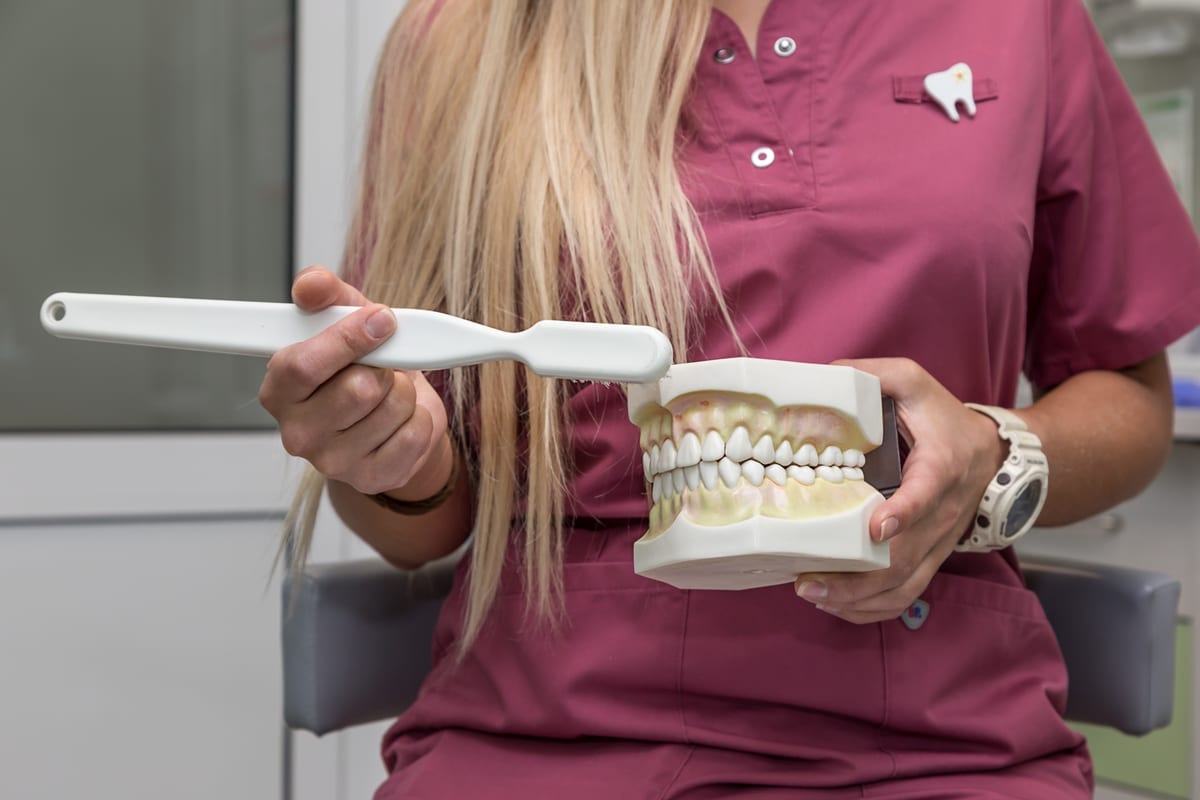
Most people grow up hearing that dental cleanings happen twice a year. But many San Antoni patients are surprised when their dentist recommends visits every three months instead. Understanding why your dentist might recommend cleanings every 3 months in San Antonio can help you take control of your oral health. This schedule is not a punishment — it is a personalized approach to protecting your smile. Dental Cleanings And Exams are one of the most powerful tools in preventive dentistry.
What Determines How Often You Need a Cleaning?
Cleaning frequency is not one-size-fits-all. Your dentist evaluates several personal health factors before making a recommendation. These factors include your gum health, cavity history, and overall medical condition. Each patient’s mouth tells a unique story.
A standard six-month schedule works well for low-risk patients. However, patients with specific risk factors need more frequent professional care. Your dentist uses clinical findings — not guesswork — to decide the right interval. The goal is always to stay ahead of problems before they worsen.
Here are the most common factors that influence cleaning frequency:
- Active gum disease or a history of periodontitis
- High cavity risk due to diet, dry mouth, or genetics
- Diabetes or other systemic health conditions
- Smoking or tobacco use
- Pregnancy-related gum changes
- Weakened immune system
- Heavy tartar buildup that returns quickly
Why Gum Disease Patients in San Antonio Need More Frequent Cleanings
Gum disease is one of the top reasons dentists recommend a three-month cleaning schedule. Once you have been treated for periodontitis, your gums remain vulnerable. Bacteria can recolonize treated pockets within 90 days. That three-month window is critical for keeping infection under control.
These more frequent visits are called periodontal maintenance appointments. They differ slightly from a standard cleaning. Your hygienist focuses on cleaning below the gumline to remove bacteria from deep pockets. Skipping these appointments allows disease to progress rapidly.
Gum disease also links to serious systemic health issues. Research connects it to heart disease, stroke, and diabetes complications. Staying on a three-month schedule protects more than just your teeth. It supports your overall health as well.
Other Health Conditions That Affect Cleaning Frequency
Your medical history plays a bigger role in dental care than many people realize. Patients with diabetes often experience more severe gum inflammation. Blood sugar control and gum health directly influence each other. More frequent cleanings help keep both in balance.
Dry mouth is another common concern. Saliva naturally fights bacteria and neutralizes acids. When saliva production drops — due to medications or health conditions — decay risk rises sharply. Patients with dry mouth often benefit from cleanings every three to four months.
Smokers also face elevated risk. Tobacco restricts blood flow to the gums and masks signs of infection. This makes it harder to catch gum disease early. More frequent monitoring through regular cleanings becomes essential for these patients.
- Diabetes patients: Gum disease worsens blood sugar instability
- Medication users: Many drugs reduce saliva and raise decay risk
- Smokers: Tobacco hides gum disease symptoms and slows healing
- Pregnant patients: Hormonal changes increase gum sensitivity and infection risk
- Immunocompromised patients: The body struggles to fight oral bacteria effectively
What Happens During a Three-Month Cleaning Visit?
A periodontal maintenance visit is thorough and targeted. Your hygienist removes tartar and plaque from all surfaces of your teeth. They pay special attention to areas below the gumline where bacteria hide. Your dentist may also check pocket depths to track gum health over time.
These appointments typically include a full oral exam. Dr. Pingting Zhou and the team at Z Dentist San Antonio review any changes since your last visit. Early detection of new problems allows for simpler, less invasive treatment. Catching issues early saves time, discomfort, and expense.
You will also receive personalized home care coaching. Your hygienist may recommend specific brushing techniques or tools. Consistent home care between visits makes each professional cleaning more effective. The combination of frequent visits and good daily habits produces the best outcomes.
How to Know If a Three-Month Schedule Is Right for You
Your dentist will review your full dental and medical history. They will examine your gums, measure pocket depths, and assess bone levels on X-rays. Based on these findings, they will recommend the ideal cleaning interval. This recommendation may change over time as your oral health improves or new factors arise.
Patients sometimes worry that a three-month recommendation means something is seriously wrong. In reality, it means your dentist is being proactive. Catching and controlling problems early prevents more complex treatment later. Think of it as a tailored prevention plan, not a red flag.
If cost or scheduling feels like a barrier, talk openly with your dental team. Z Dentist San Antonio works with patients to find practical solutions. You can also learn more about working with a United Health Care Dentist to understand your dental benefits. Transparency and communication are always priorities at our practice.
Conclusion: Your Smile Deserves a Personalized Plan
Understanding why your dentist might recommend cleanings every 3 months in San Antonio helps you see the bigger picture. This schedule reflects careful clinical judgment, not routine protocol. It means your dental team is paying close attention to your unique needs. Committing to this schedule is one of the smartest investments you can make in your long-term health.
At Z Dentist San Antonio, Dr. Pingting Zhou and the team are dedicated to personalized, evidence-based care. Serving patients throughout San Antonio and the greater San Antonio area, we create cleaning schedules that fit your actual health needs. Book Now to schedule your appointment with our team.
Frequently Asked Questions
Is a three-month cleaning schedule normal for some patients?
Yes, it is completely normal for patients with gum disease, high cavity risk, or certain health conditions. Three-month cleanings are a well-established standard of care in periodontology. Many patients stay on this schedule long-term to maintain their oral health successfully.
Can I go back to six-month cleanings after being on a three-month schedule?
It depends on how well your gum health responds to treatment. If your gum disease stabilizes and your bone levels remain healthy, your dentist may extend your interval. This decision is always based on clinical evaluation, not just how your teeth feel.
Are three-month cleanings more thorough than regular cleanings?
Periodontal maintenance cleanings focus more heavily on subgingival areas — the space below the gumline. They are designed to target the specific zones where disease-causing bacteria accumulate. Your hygienist tailors the cleaning to your individual risk areas during each visit.
Do three-month cleanings help with bad breath?
Yes, they can make a significant difference. Bad breath often originates from bacteria living in deep gum pockets or on the tongue. More frequent removal of tartar and bacterial buildup helps reduce odor-causing bacteria substantially. Combined with good home care, three-month cleanings greatly improve breath freshness.
What should I do between three-month cleaning appointments?
Brush twice daily with a soft-bristled toothbrush and fluoride toothpaste. Floss at least once a day, paying close attention to the gumline. Use any tools your hygienist recommends, such as an electric toothbrush or water flosser. Consistent home care between visits makes a significant difference in your overall gum health.