7010 W Loop 1604 N, Suite 205, San Antonio, Texas 78254



10 Daily Habits That Quietly Damage Your Teeth
Book Online

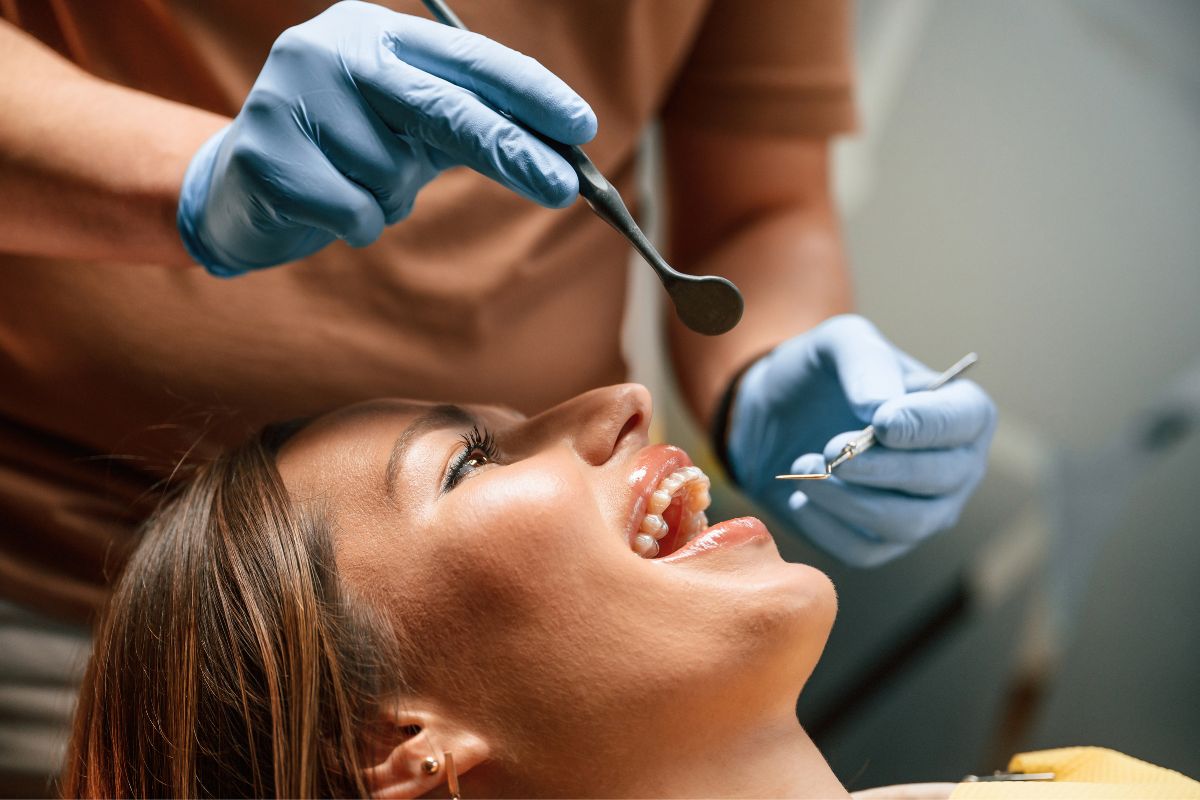
Most people believe that brushing and flossing alone are enough to keep their teeth healthy. While those habits are essential, routine dental checkups and many everyday behaviors play an equally important role in long-term oral health. Without regular professional care, small issues can quietly worsen over time — often without obvious symptoms. These small actions, repeated daily, can slowly lead to cavities, gum disease, enamel erosion, sensitivity, and even tooth loss.
In San Antonio, where busy lifestyles, on-the-go meals, and high temperatures influence daily routines, people often overlook the importance of consistent dental visits. As a result, they unknowingly engage in habits that harm their oral health. Understanding these habits is the first step toward protecting your smile for life.
Let’s explore the 10 daily habits that silently damage your teeth, and how small changes can make a big difference.
Why Daily Habits Matter More Than You Think?
Your teeth are strong, but they’re not invincible. Enamel, the outer protective layer, does not regenerate. Once damaged, it cannot heal naturally. Many common habits gradually wear down enamel, inflame gums, and invite harmful bacteria.
That’s why professionals often emphasize preventive care. Visiting a trusted dentist in San Antonio regularly helps detect early warning signs before they turn into serious problems.
10 Daily Habits That Quietly Damage Your Teeth
Here are the 10 daily routines that harm your oral condition:
1. Sipping Sugary Drinks Throughout the Day
Sodas, energy drinks, sweet tea, flavored coffee, and sports drinks bathe your teeth in sugar and acid. Sipping them continuously keeps your mouth in an acidic environment, weakening enamel and promoting cavities.
Better habit:
Drink sugary beverages in moderation, use a straw when possible, and rinse with water afterward.
2. Brushing Too Hard
Many people believe brushing harder cleans better. In reality, aggressive brushing wears away enamel and irritates the gums, leading to sensitivity, gum recession, and uneven gum lines. Over time, these changes can affect both oral health and the appearance of your smile, sometimes requiring advanced cosmetic gum care to restore balance and confidence.
Better habit:
Use a soft-bristled toothbrush and gentle circular motions for two full minutes.
3. Skipping Flossing
Brushing alone cleans only about 60% of your tooth surfaces. The remaining areas between teeth trap plaque and bacteria, which eventually cause cavities and gum disease.
Better habit:
Floss once daily to remove plaque from areas your toothbrush can’t reach.
4. Frequent Snacking
Constant snacking exposes your teeth to repeated acid attacks. Each time you eat, bacteria feed on sugars and release acid that weakens enamel.
Better habit:
Limit snacking and choose tooth-friendly options like cheese, nuts, and vegetables.
5. Grinding or Clenching Your Teeth
Many people grind their teeth unconsciously, especially during sleep or stressful moments. Over time, this habit causes enamel wear, cracked teeth, jaw pain, and headaches.
Better habit:
If you experience jaw soreness or morning headaches, consult a dentist in San Antonio for a custom night guard.
6. Using Teeth as Tools
Opening packages, tearing tape, biting nails, or cracking nuts with your teeth may seem harmless — but these habits can cause fractures and chips.
Better habit:
Use scissors, bottle openers, or tools instead of your teeth.
7. Drinking Acidic Beverages Daily
Citrus juices, kombucha, sports drinks, and carbonated beverages are highly acidic. Frequent exposure softens enamel, increasing sensitivity and erosion.
Better habit:
Drink water between acidic beverages and wait 30 minutes before brushing.
8. Neglecting Regular Dental Checkups
Many dental problems start silently. Without routine exams, cavities and gum disease often go unnoticed until pain begins.
Better habit:
Visit a trusted dentist in San Antonio at least twice a year for cleanings and preventive exams.
9. Mouth Breathing
Breathing through your mouth dries out saliva, which normally protects teeth from bacteria. Dry mouth increases cavity risk and bad breath.
Better habit:
Address nasal breathing issues and stay hydrated throughout the day.
10. Ignoring Early Warning Signs
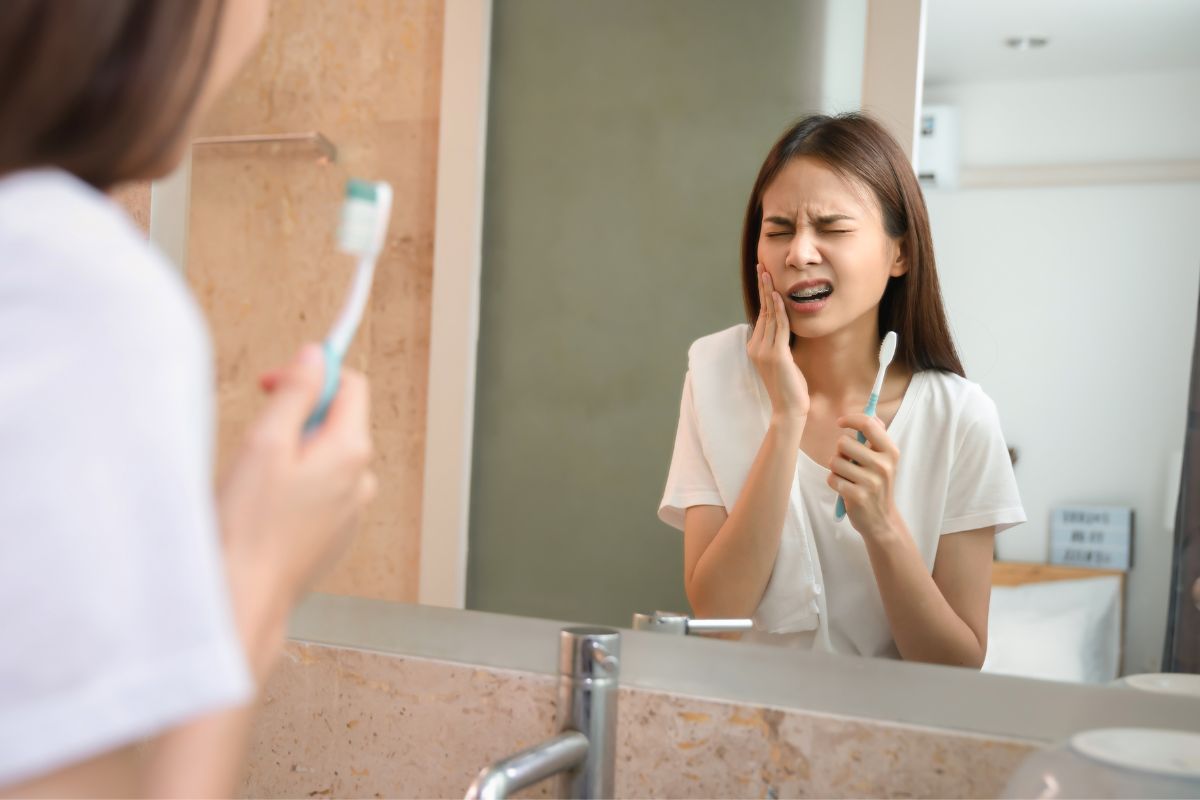
Sensitivity, mild gum bleeding, bad breath, and occasional tooth discomfort are early indicators of dental trouble. Ignoring them often leads to advanced problems.
Better habit:
Seek professional advice early to prevent complex treatments later.
How do These Habits Affect Long-Term Oral Health?
When these habits persist, they can cause:
- Tooth decay
- Gum disease
- Enamel erosion
- Tooth sensitivity
- Chronic bad breath
- Tooth fractures
- Jaw pain

Left untreated, these conditions may eventually require fillings, crowns, root canals, or extractions.
This is why routine care from a trusted dentist in San Antonio is essential for maintaining healthy teeth throughout life.
How to Protect Your Smile Daily?
Small changes create powerful results. Here’s how to strengthen your oral health:
- Brush twice daily with fluoride toothpaste
- Floss every night
- Drink plenty of water
- Eat tooth-friendly foods
- Use a night guard if needed
- Schedule routine dental exams
Consistency is the key to lifelong oral wellness.
Lifestyle Factors of San Antonio That Impact Teeth
The warm climate of the Alamo City leads to increased consumption of cold sugary drinks and sports beverages, while busy work schedules encourage quick meals and frequent snacking. Outdoor activities, sports, and fitness routines also increase dehydration, reducing saliva flow. Understanding how your lifestyle affects your oral health allows you to make smarter daily choices and prevent long-term damage.
Expert Advice from Dr. Z and Dr. Mo
Dr. Z and Dr. Mo often remind patients that most major dental problems begin with minor daily habits. Early intervention, preventive care, and patient education significantly reduce the need for complex dental treatments. Their approach focuses on identifying harmful behaviors early and creating personalized oral health plans that support lasting smiles. Call us now to talk with our dental professionals and get personalized guidance for protecting your oral health.
FAQs – Daily Habits & Oral Health
1. Can brushing too much damage teeth?
Yes. Brushing too often or using a hard-bristled toothbrush can wear down enamel and cause gum recession over time. This can lead to tooth sensitivity and increase the risk of cavities and gum irritation, especially when combined with abrasive toothpaste.
2. How often should I floss?
You should floss at least once a day to remove plaque and food particles between teeth that brushing cannot reach. Daily flossing helps prevent cavities between teeth and reduces the risk of gum disease by keeping these tight spaces clean.
3. Are energy drinks harmful to teeth?
Yes. Energy drinks contain high amounts of sugar and acid that weaken tooth enamel and promote decay. Frequent consumption increases the risk of cavities and tooth sensitivity, especially if the drinks are sipped slowly or consumed throughout the day.
4. How do I know if I grind my teeth?
Common signs include jaw pain, morning headaches, and teeth that look flattened or worn down. Some people also notice clicking in the jaw or increased tooth sensitivity. A dentist can confirm grinding by examining wear patterns on your teeth.
5. How often should I visit a dentist?
Most people benefit from dental visits every six months for cleanings and routine exams. These visits help detect problems early, such as cavities or gum disease, before they become painful or require complex treatment. Regular care also supports long-term oral health.
Final Thoughts: Small Habits, Big Impact
Your daily routines shape your dental health far more than you may realize. By becoming aware of these damaging habits and making small improvements, you can protect your teeth, gums, and overall health for years to come.
A healthy smile supports confidence, comfort, and long-term wellness — and it all starts with simple, consistent care. If you’re concerned about your daily habits or experiencing early warning signs, schedule a dental checkup to keep your smile strong and healthy.