7010 W Loop 1604 N, Suite 205, San Antonio, Texas 78254



Can Invisalign Fix Your Bite? What Your Dentist Won’t Always Say
Book Online

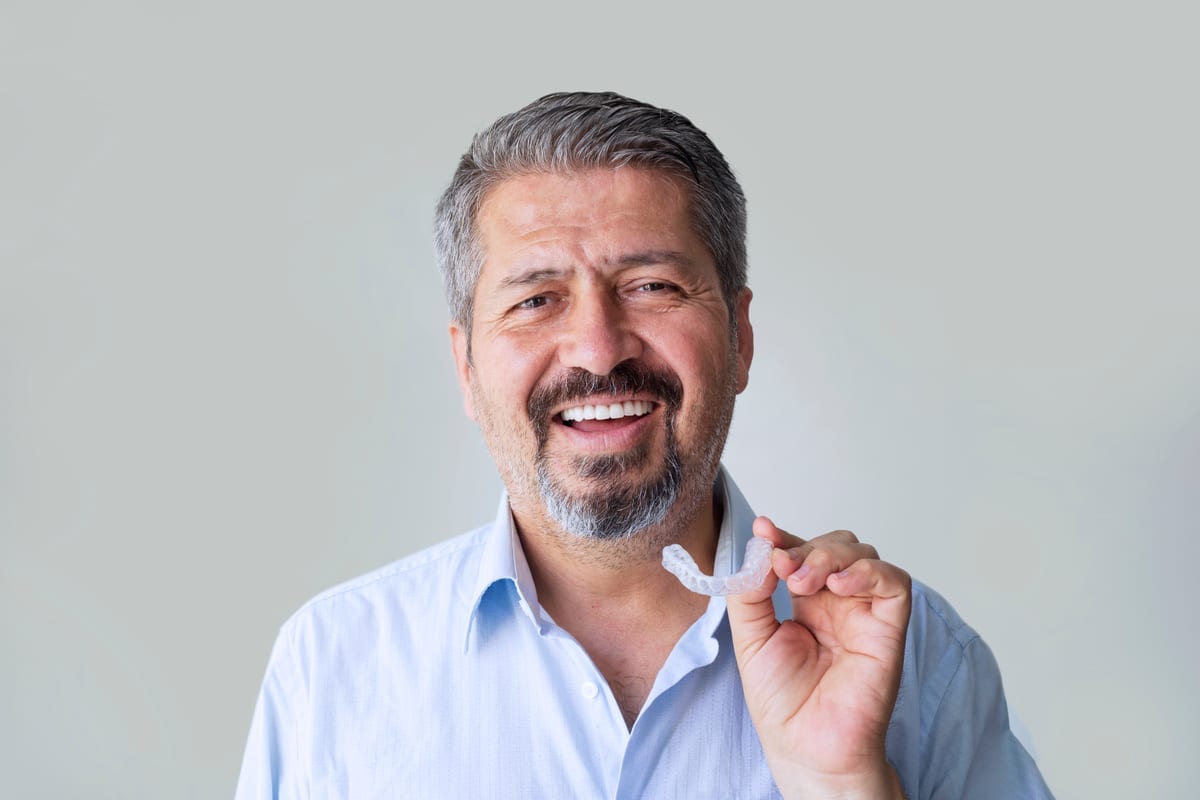
Many San Antonio patients ask, can Invisalign fix your bite? It is one of the most common questions Dr. Pingting Zhou hears at Z Dentist San Antonio. The honest answer is: sometimes yes, sometimes no. Knowing which side you fall on can save you time, money, and frustration. This article breaks down exactly what Invisalign can and cannot treat — the things your dentist does not always explain upfront.
What Invisalign Can Actually Fix in San Antonio
Invisalign uses a series of custom clear aligners to gently move teeth. It works well for mild to moderate alignment issues. Many San Antonio patients see excellent results with the right candidacy assessment.
Here are the conditions Invisalign treats effectively:
- Mild to moderate crowding — teeth that overlap or twist slightly
- Spacing gaps — small or moderate spaces between teeth
- Mild overbite — upper front teeth slightly overlap lower teeth
- Mild underbite — lower teeth sit slightly in front of upper teeth
- Crossbite — upper and lower teeth do not align side to side
- Open bite — front teeth do not touch when the mouth closes
Invisalign technology has improved dramatically over the past decade. Newer aligner generations can handle more complex cases than before. However, there are still clear limits every patient should understand.
When Invisalign Falls Short: Bite Issues That Need More
Not every bite problem responds well to clear aligners. This is the part many patients never hear clearly before starting treatment. Understanding these limits is crucial for making an informed decision.
Invisalign may not be the best choice when you have:
- Severe crowding — teeth significantly overlapped or rotated
- Severe overbite or underbite — jaw misalignment is the root cause
- Skeletal bite problems — issues involving jaw bone structure, not just teeth
- Significant tooth rotations — especially molars and premolars
- Multiple missing teeth — gaps that complicate aligner fit
In these situations, traditional braces often deliver better results. Braces apply consistent force from fixed brackets and wires. They handle complex tooth movements that aligners simply cannot replicate. Dr. Zhou always recommends what will work best for your unique case — not just what sounds most appealing.
Crowding vs. Spacing: Understanding the Difference for Your Smile
Crowding and spacing are the two most common reasons San Antonio patients seek orthodontic treatment. They are also the issues Invisalign handles most reliably. But severity matters more than most people realize.
Mild crowding — where teeth slightly overlap — responds very well to Invisalign. Moderate crowding may still be treatable, depending on how much space is available in the jaw. Severe crowding, where multiple teeth are significantly rotated, often requires braces or even tooth extraction first.
Spacing issues follow a similar pattern. Small gaps between teeth close easily with aligners. Larger gaps, especially when combined with bite problems, may need a combined treatment approach. A thorough consultation with Dr. Zhou will determine which path makes sense for you.
Part of being a good candidate also involves your commitment level. Invisalign aligners must be worn 20 to 22 hours per day. Removing them too often slows progress or stops it entirely. Discipline is just as important as dental anatomy.
Overbite and Underbite: Can Invisalign Fix Your Bite in San Antonio?
This is where the question can Invisalign fix your bite — what your dentist won’t always say in San Antonio becomes most important. Both overbites and underbites come in two types: dental and skeletal.
Dental overbites and underbites are caused by tooth position. Invisalign can often correct these effectively. The aligners reposition teeth to create a balanced bite relationship.
Skeletal overbites and underbites are caused by jaw bone structure. Invisalign cannot move bone. These cases may require jaw surgery combined with orthodontics. Attempting to treat skeletal issues with aligners alone leads to poor outcomes and wasted time.
Dr. Zhou takes detailed X-rays and digital scans during your consultation. This helps identify whether your bite issue is dental or skeletal. Getting that diagnosis right is the most important step in your entire treatment journey.
Invisalign vs. Traditional Braces: Which One Is Right for You?
Many San Antonio patients assume Invisalign is always the better option. It is discreet, removable, and comfortable. But the right choice depends entirely on your specific dental needs.
Traditional braces offer several advantages in certain cases:
- Greater force for complex tooth movements
- Better control over molar rotation
- No reliance on patient compliance for wear time
- More predictable outcomes for severe misalignment
Invisalign, on the other hand, offers its own real benefits:
- Nearly invisible appearance during treatment
- Removable for eating and brushing
- Fewer emergency visits for broken wires or brackets
- Shorter appointment times during treatment
The good news is that you do not have to guess which option suits you. A qualified dentist with orthodontic experience will evaluate your bite, spacing, and jaw alignment. Then they will give you an honest recommendation. At Z Dentist San Antonio, that honest conversation is always the starting point.
Invisalign treatment also pairs beautifully with other smile improvements. Patients interested in Cosmetic Dentistry San Antonio services like veneers or whitening often combine treatments for a complete transformation. Timing those treatments correctly makes a big difference in your final result.
What to Expect at Your Invisalign Consultation in San Antonio
Walking into your first Invisalign consultation can feel overwhelming. Knowing what to expect makes the process much easier. Dr. Zhou takes a thorough, patient-centered approach from the very first visit.
Here is what happens during a typical consultation:
- Digital scans and X-rays — No messy impressions needed in most cases
- Bite analysis — Assessing jaw alignment, crowding, and spacing in detail
- Treatment simulation — A digital preview of your potential results
- Honest candidacy assessment — Clear guidance on whether Invisalign fits your needs
- Treatment timeline discussion — Realistic expectations for your specific case
Dr. Zhou also serves patients of all ages. Families looking for Pediatric Dental Care San Antonio can ask about early orthodontic evaluations for children during the same visit. Early assessment often prevents more complex treatment later.
The consultation is also your chance to ask every question you have. There are no wrong questions. The more informed you are, the better your treatment decisions will be.
Making the Right Decision for Your Bite
Invisalign is a powerful tool — but it is not the right tool for every bite problem. Understanding your specific diagnosis is the most important step before committing to any orthodontic treatment. San Antonio patients deserve clear, honest answers, not just a sales pitch for the most popular option.
Dr. Pingting Zhou and the team at Z Dentist San Antonio are committed to giving you exactly that. Whether Invisalign is perfect for your case or another approach serves you better, you will leave your consultation with a clear plan. Your smile and your bite health deserve nothing less. Book Now to schedule your appointment with our team.
Frequently Asked Questions
Can Invisalign fix a severe overbite?
Invisalign can correct mild to moderate dental overbites effectively. However, severe overbites — especially those caused by jaw bone structure — may require traditional braces or jaw surgery. Dr. Zhou will assess your specific case during a thorough consultation to recommend the most effective treatment.
How long does Invisalign treatment take in San Antonio?
Treatment length varies by case complexity. Mild alignment issues may resolve in 6 to 12 months. More moderate cases can take 12 to 18 months. Dr. Zhou will give you a realistic timeline estimate based on your digital scans and bite analysis during your first visit.
Is Invisalign painful compared to traditional braces?
Most patients find Invisalign more comfortable than traditional braces. You may feel mild pressure when switching to a new set of aligners. This pressure is normal and usually fades within a day or two. There are no brackets or wires to cause irritation inside your mouth.
Can teenagers use Invisalign in San Antonio?
Yes, Invisalign offers a Teen version designed specifically for younger patients. It includes compliance indicators and extra aligners for common adjustments. However, success depends heavily on the teen wearing aligners consistently for 20 to 22 hours per day. A consultation will help determine if it is the right fit.
What happens if Invisalign is not right for my bite?
If Invisalign is not suited to your bite issue, Dr. Zhou will explain why and discuss better alternatives. Traditional braces, a combination approach, or other orthodontic treatments may serve you better. The goal is always the most effective outcome for your long-term bite health and smile.