7010 W Loop 1604 N, Suite 205, San Antonio, Texas 78254



Why Your Smile Looks Older Than You Are: What Dentists Want You to Know
Book Online


You Look Tired. You’re Not Tired.
Someone asks if you’re feeling okay. You slept fine. You’re not stressed. But lately, your smile in photos looks a little duller, a little more tired, a little more “older” than the face you feel like you’re wearing. If that’s been nagging at you, you’re not imagining it – and you’re also not alone.
Most people assume an aging smile is simply about wrinkles or grey hair catching up with them. In reality, the mouth ages on its own timeline, often years ahead of the rest of the face and the causes are almost never what people expect. At Z Dentist, patients bring up this exact concern in consultations more than almost any other cosmetic worry: “I just look older than I feel.” This guide breaks down the real aged smile causes dentists actually see, why they matter beyond appearance, and what a San Antonio cosmetic dentist can realistically do about it.
The Problem: Your Teeth Are Quietly Aging Faster Than You Are
Skin gets the credit and the blame for aging. But teeth go through their own slow transformation, and it’s easy to miss because it happens gradually, in the mirror, a little at a time. By the time someone notices, the changes have usually been building for years.
It’s Rarely Just One Thing
An aged smile is almost never caused by a single habit or a single year of neglect. It’s usually a combination of small, ordinary factors stacking on top of each other: enamel that’s thinned from decades of chewing and acidic foods, gums that have receded slightly, old dental work that’s discolored, and a bite that has shifted just enough to change how the face looks at rest.
| Did You Know? Enamel doesn’t regenerate. Once it wears down from grinding, acid exposure, or years of brushing too hard, the yellower dentin layer underneath becomes more visible which is one of the biggest (and most fixable) reasons a smile reads as older than it is. |
Why It Matters: An Aged Smile Changes More Than a Photo
It’s tempting to file this under “cosmetic and unimportant.” But the same changes that make a smile look older are frequently tied to real oral health shifts – not just appearance.
- Confidence takes a hit. People with an aged-looking smile often smile less, cover their mouth in photos, or avoid close conversation without even realizing why.
- It can signal deeper issues. Gum recession and enamel loss are frequently early markers of gum disease, bite misalignment, or long-term grinding that hasn’t been addressed.
- It compounds over time. Left alone, minor enamel wear and bite shifting tend to accelerate rather than plateau, making later correction more involved.
The Risks of Ignoring the Signs
Because an aging smile develops slowly, it’s easy to keep pushing the concern down the priority list — but a few of the underlying causes carry real oral health consequences if they go unmanaged for years.
Sometimes the earliest indication isn’t something you can see-it’s simply the feeling that your bite isn’t quite right or your teeth feel different than they used to. Those subtle changes can be worth paying attention to long before pain develops. Learn more in “Why Your Teeth Suddenly Feel ‘Off’ Even Though Everything Looks Fine.“
What Tends to Get Worse Without Attention
- Continued enamel loss, which increases sensitivity and cavity risk over time
- Untreated bite misalignment placing uneven pressure on certain teeth, wearing them down faster
- Old restorations that discolor or weaken, becoming more visible and less structurally reliable
Common Causes at a Glance
| Cause of an Aged Smile | What You Might Notice | How Dentists Typically Address It |
| Enamel wear & thinning | Yellowish, more transparent tooth edges | Bonding, veneers, or professional whitening |
| Gum recession | Teeth look longer; roots may show | Gum grafting or contouring, periodontal care |
| Old, worn restorations | Dark or mismatched fillings/crowns | Same-day crowns or updated restorations |
| Bite & jaw changes | Thinner lips, sunken lower face appearance | Bite alignment evaluation, Invisalign |
| Chronic teeth grinding | Flattened, shortened front teeth | Nightguard plus cosmetic reshaping |
The Professional Solution: What Actually Helps
The good news is that most of the factors behind an aged-looking smile are well understood in cosmetic dentistry, and none of them require guesswork. A cosmetic dentist’s job in this situation isn’t to push one treatment – it’s to figure out which of these overlapping causes is actually driving the change for you.
Every smile has different needs, but the right cosmetic treatment can do more than improve appearance it can also restore confidence, comfort, and function. If you’re wondering how these treatments can make a lasting difference, explore our article, “5 Ways Cosmetic Dentistry Can Transform Your Smile & Confidence.”
Where a Cosmetic Dentist Typically Starts
- A full smile evaluation. Looking at enamel condition, gum position, bite alignment, and the state of any existing dental work, not just tooth color.
- Whitening or bonding for surface changes. When discoloration or minor enamel wear is the main driver, conservative options are usually considered first.
- Veneers for more significant wear or shape changes. Used when enamel loss, chipping, or uneven edges have changed the smile’s overall shape.
- Bite correction when it’s relevant. If grinding or misalignment is accelerating the wear, addressing the bite protects the results of any cosmetic work.
This is also where it’s worth being honest: cosmetic dentistry works best as a considered plan rather than a single fast fix. A dentist who takes the time to explain why your particular smile changed – not just how to cover it up – tends to deliver results that hold up for years instead of months.
Meet Dr. Z – Z Dentist
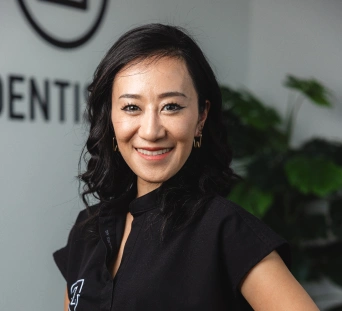
Dr. Z co-leads Z Dentist alongside Dr. Mo, bringing a patient-first approach shaped by training at UCSF School of Dentistry. She focuses on smile transformations that look natural to the individual patient rather than a one-size-fits-all result, and she takes time in consultations to explain exactly why a smile has changed over the years before recommending a fix. Schedule a consultation with Dr. Z to talk through what’s aging your smile and which options fit your goals.
⭐⭐⭐⭐⭐ Lauren Gutierrez
Had a great experience at Z Dentist! The entire team was super friendly, gentle and made me feel completely comfortable. Highly recommend!
What You Can Do Starting Now
Not every fix requires a dental chair. A few daily habits go a long way toward slowing the process down, even while you’re deciding what professional treatment, if any, makes sense for you.
- Switch to a soft-bristle brush. Aggressive brushing is one of the most common, most avoidable causes of enamel wear and gum recession.
- Wear a nightguard if you grind. Even mild, unnoticed grinding during sleep steadily wears down front teeth over years.
- Rinse (don’t brush) after acidic food or drink. Brushing right after coffee, wine, or citrus can grind acid into softened enamel.
- Keep up with cleanings. Routine visits catch gum recession and bite changes early, while they’re still simple to manage.
Protecting your smile doesn’t always require major treatment. In many cases, small daily habits can help prevent the enamel wear, gum recession, and other issues that contribute to an older-looking smile. For more practical tips, explore “The Simple Dental Habit That Can Help You Avoid Costly Treatments.”
A San Antonio Perspective
San Antonio’s warm climate and love of citrus, barbacoa, and sweet tea come with a side effect most people never connect to their smile: frequent acid exposure that quietly softens enamel over time. Patients across Alamo Ranch, Culebra Commons, and the surrounding neighborhoods often find that a simple change in routine, paired with a professional evaluation, makes more difference than any whitening kit from the drugstore.
Frequently Asked Questions
1. Why does my smile look older even though I take care of my teeth?
Good oral hygiene helps, but it doesn’t fully prevent enamel thinning, gum recession, or bite changes, which are some of the most common causes of an aging smile. These changes develop gradually over time through normal wear, not necessarily because of poor dental care.
2. Can a cosmetic dentist actually make my smile look younger?
Yes. Depending on the underlying cause, treatments such as professional teeth whitening, dental bonding, veneers, or bite correction can restore a brighter, more youthful-looking smile. A cosmetic dentist can recommend the most appropriate option after a thorough evaluation.
3. Is an aging smile just about tooth color?
No. While discoloration plays a role, factors such as tooth length, enamel wear, gum position, edge shape, and bite alignment all influence how young or old your smile appears.
4. At what age do smiles typically start looking older?
Everyone ages differently, but many people begin noticing changes in their late 30s or 40s. Habits like teeth grinding, acidic diets, and years of normal wear can make these changes appear sooner.
5. Is whitening enough, or do I need something more?
Professional whitening can improve tooth color, but it won’t correct worn edges, shortened teeth, gum recession, or changes in tooth shape. If those factors are contributing to your smile’s appearance, additional cosmetic treatments may provide better results.
6. How can I find a trusted cosmetic dentist in San Antonio?
Look for a cosmetic dentist who takes time to explain the underlying cause of your concerns, offers personalized treatment recommendations, shares relevant before-and-after cases, and has consistently positive patient reviews from the local community.
Related Articles
