7010 W Loop 1604 N, Suite 205, San Antonio, Texas 78254


Wisdom Teeth Removal
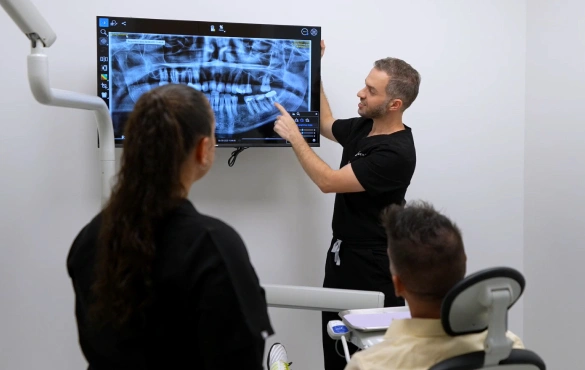
Removing wisdom teeth is a right of passage for many teenagers and young adults. Our experienced team can make your wisdom tooth extraction experience as comfortable and relaxing as possible. Learn more about the surgery, why you might need it and what to expect.
Book Online


Why Remove Wisdom Teeth?
The wisdom teeth are the last teeth to come in, and they usually start appearing around age 17. At that point, most people don't have enough space in their mouths for another set of molars, so the teeth often come in crooked. In some cases, they can get trapped in the gumline.
When a wisdom tooth is crooked or stuck, it's impacted. An impacted wisdom tooth can push on the neighboring teeth, causing problems with alignment or disrupting a person's bite. Impacted wisdom teeth can also damage the jawbone, cause infections or lead to other oral health problems.
To prevent discomfort, infection or other issues, many dentists recommend removing the wisdom teeth, also known as third molars, before they have a chance to do any damage.
Signs You Might Need Wisdom Tooth Extraction
While in many cases, a dentist removes the wisdom teeth before they cause problems, there are instances when the teeth become stuck. The following are common symptoms of impacted wisdom teeth:
- Gum problems: The gums might be red, swollen or tender. They can bleed easily.
- Jaw pain: The jaw joint might ache or be painful to the touch. There might also be swelling.
- Headaches: Some people develop headaches due to impacted wisdom teeth.
- Bad breath: If the impacted tooth is infected, it can give you a sour taste in your mouth or cause bad breath.
- Trouble opening the mouth: It can be difficult to open and close your mouth when the wisdom teeth are impacted.
- Swollen lymph nodes: A swollen lymph in the neck can be a sign of an infected tooth.


What Happens During Wisdom Tooth Surgery
If your dentist recommends surgery to remove your wisdom teeth, here's what you can expect during it:

Blocked Root Canal:
If you're concerned about pain and discomfort during your surgery, rest assured that our experience team will give you sedation. Once you're sedated, you won't feel anything the dentist is doing, nor will you remember the procedure afterward. You won't be fully asleep, though. You'll be able to communicate with the team and answer any questions asked.
Procedure
The process of removing the teeth can vary depending on how impacted they and how many wisdom teeth you have. Generally, you can expect the surgery to take about one hour.
Recovery
Once the sedative wears off, you might feel a little groggy. We'll keep an eye on you until we believe you're ready to go home. You'll need to have a friend or relative drive you to and from our practice the day of the surgery. You won't be able to drive home by yourself immediately following surgery.
Aftercare
Our team will provide you with aftercare instructions before sending you home. How long you need to recover varies based on the complexity of the surgery and your age. Many patients can get back to their regular activities a day or two after their surgery.
